






 (307) 441-5030
Table of Contents
- What Daily Sauna Use Actually Does to Your Body
- Cardiovascular Health and Circulation: The Strongest Evidence
- Muscle Recovery, Soreness, and Joint Pain
- Stress, Mood, and Sleep Quality
- Infrared Sauna Benefits and How They Differ From Traditional Dry Heat
- How Often Should You Use a Sauna?
- How Long to Stay in a Sauna, Session by Session
- Daily Sauna Safety: Who Should Skip It or Ask a Doctor First
- Frequently Asked Questions
Last Updated: October 20, 2026
What Daily Sauna Use Actually Does to Your Body
Daily sauna use is short, repeated exposure to dry or humid heat that raises core temperature and heart rate, triggering sweating, circulation changes, and relaxation.

At Logic Health, we sell home sauna systems. We read the research closely: some claimed benefits are well supported, others plausible but thin, and a few mostly folklore.
A sauna does not "detox" you; your liver and kidneys do that.
Cardiovascular Health and Circulation: The Strongest Evidence
Cardiovascular support is the best-studied benefit of regular sauna sessions.
Within a session, heart rate climbs and circulation to the skin increases, similar to light-to-moderate aerobic activity.
Correlation is not causation, and this is the part most sauna marketing skips: frequent bathers also tend to be healthier in other ways.
If you have diagnosed cardiovascular disease or take blood pressure medication, that conversation belongs with your doctor before you build a routine, not after.
Muscle Recovery, Soreness, and Joint Pain
Heat feels good on sore muscles for a reasonable reason: increased circulation and tissue temperature can reduce stiffness and improve perceived flexibility.
A common mistake is treating a sauna session as recovery in the same category as sleep, protein, and load management. It is comfort and circulation support.
For joint pain and stiffness, warmth is a well-established comfort measure. Many people with chronic stiffness find regular heat exposure makes movement easier in the hours afterward.
Stress, Mood, and Sleep Quality
Stress reduction is the benefit users notice fastest, and it keeps people consistent. Heat followed by cooling is a genuine nervous-system downshift, and many describe a calm, heavy-limbed state that lasts well into the evening.
Sleep quality is where the practical payoff shows up.
Mood effects are real but modest. Regular users report lower perceived stress and better relaxation, and the ritual itself, sitting still with no phone, does some of that work.
Infrared Sauna Benefits and How They Differ From Traditional Dry Heat
Infrared sauna benefits come from a different heating mechanism. A traditional sauna heats the air to a high temperature, and you sweat because the surrounding air is hot.

Infrared sessions are often easier to tolerate for longer, and people who find traditional saunas oppressive frequently stick with infrared.
One thing we would flag: much of the published research on sauna benefits was conducted with traditional Finnish saunas, not infrared cabins.
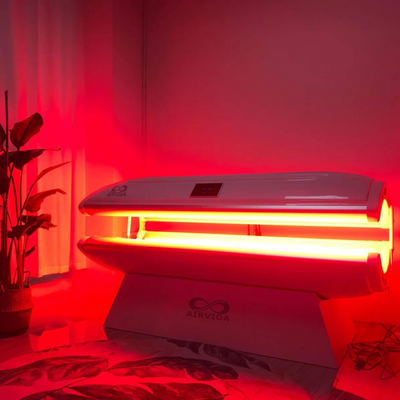
Our Thera360 Plus Portable Infrared Sauna uses full-spectrum near, mid, and far infrared panels, and the portable format is the reason many of our customers start here: it fits a small space and removes the installation question entirely.
| Sauna Type | How It Heats | Typical Feel | Best For |
|---|---|---|---|
| Traditional dry heat | Heats the air to a high temperature | Intense, short sessions | Strong heat load, traditional ritual |
| Steam | Heats air plus adds humidity | Damp, heavy warmth | Respiratory comfort, relaxation |
| Infrared | Warms the body directly | Gentle, easy to tolerate longer | Daily use, small spaces, beginners |
How Often Should You Use a Sauna?
How often you should use a sauna depends on your goal, tolerance, and health status, but for most healthy adults the practical answer is three to seven sessions per week. Frequency matters most: the long-term outcome research tracks years of regular use, not occasional visits.
That is a range, not a protocol. Here is how to build a daily routine that holds up.
A four-week on-ramp to daily use
Heat tolerance adapts, and the first two weeks are where people overdo it. A common pattern that works:
- Week 1: two sessions, 10 minutes each, one round only. Goal is finishing feeling warm and relaxed, not depleted.
- Week 2: three sessions, 10 to 12 minutes, one to two rounds. Add a cool-down between rounds.
- Week 3: four sessions, 12 to 15 minutes, two rounds. Start paying attention to how you sleep on sauna nights versus off nights.
Once sessions feel routine, daily sauna use becomes reasonable for many people. The honest caveat: "daily" is a ceiling, not a requirement. Someone who saunas four times a week consistently will likely do better than someone who goes daily for a month and quits.
Thera360 Plus Portable Infrared Sauna →
Rest days and the case for not going daily
Daily use is not automatically better than near-daily use. Sweating costs fluid and electrolytes, and skin and cardiovascular systems benefit from recovery the same way muscles do. A reasonable default is five or six sessions per week with one or two rest days, especially if sessions are long or hot.
Signs you should take a rest day rather than push through:
- You are still thirsty or lightheaded from the previous session
- Your resting heart rate is noticeably elevated
- You slept poorly after your last sauna
How to adjust frequency for your goal
- Cardiovascular and long-term health: consistency over years matters more than any single week. Five to seven moderate sessions per week is a reasonable target, but four consistent sessions beat a sporadic seven.
- Sleep: early-evening sessions three to five times per week are often enough to notice a difference; daily is not required.
- Recovery and stiffness: use as needed after training or on stiff days, rather than forcing a daily slot.
What the evidence actually supports on frequency
The long-term outcome research is observational, drawn largely from habitual bathers who used traditional Finnish saunas several times per week for years. It supports an association between frequent use and better cardiovascular outcomes, but it does not prove seven sessions per week beats four, and says little about daily infrared use specifically. Treat frequency guidance as a framework, not a proven prescription.
How Long to Stay in a Sauna, Session by Session
How long to stay in a sauna comes down to duration and total heat exposure. The standard range for healthy adults is 10 to 20 minutes per round, with one to three rounds per session. Longer is not better: past roughly 20 minutes the added benefit is small and dehydration and dizziness risk climbs.
A structure that works well for most people:
- Round one: 10 to 15 minutes, seated, until you are sweating freely
- Cool down: 5 minutes out of the heat, cool shower or air dry
- Round two: 10 to 15 minutes if you feel good
- Finish: cool down properly and drink water with electrolytes
Temperature matters as much as time
Duration without temperature is only half the picture. Traditional dry saunas commonly run around 160 to 190°F, while infrared cabins operate at lower air temperatures because heat is delivered radiantly. A 15-minute session at high traditional temperature is a different physiological load than 15 minutes in a gentler infrared cabin. If you are new to heat, start at the lower end of your sauna's range and extend time before raising temperature.
Acclimation: the first two weeks
Heat acclimation is real and takes roughly one to two weeks of repeated exposure. Early sessions feel harder than later ones at the same temperature and duration, so do not judge tolerance by your first three sessions. Build time gradually and expect sweat response and comfort to improve.
A safe daily session template
For someone using a sauna every day, a conservative template:
- Pre-session: drink 8 to 16 ounces of water, avoid alcohol, and do not sauna on an empty stomach if you are prone to lightheadedness
- Session: 10 to 15 minutes per round, two rounds maximum on daily use, seated and not exercising inside the heat
- Between rounds: 5 minutes of cooling, and sip water
- Post-session: cool down fully, drink water with electrolytes, and shower to remove sweat and reduce skin irritation
Warning signs to stop immediately
Stop the session and cool down if you experience:
- Lightheadedness or dizziness
- Nausea
- A pounding or irregular heartbeat
- Confusion or unusual weakness
Heat illness escalates faster than most people expect. Leaving the sauna early is always the right call.
Hydration and electrolytes
Hydration is the variable people neglect most. Sweating can cost meaningful fluid volume, and dehydration is the most common cause of a bad session. Drink water before you start, not just after, and on daily-use routines consider an electrolyte source, especially if you sweat heavily or sauna in the evening after exercise.
Daily Sauna Safety: Who Should Skip It or Ask a Doctor First
Daily sauna safety comes down to individual risk factors, and some people should not take up daily heat exposure without medical clearance.
Talk to a doctor before starting a daily routine if you:
- Have diagnosed cardiovascular disease, an irregular heart rhythm, or uncontrolled blood pressure
- Take medications that affect blood pressure, heart rate, or sweating
- Are pregnant
- Have uncontrolled diabetes or a history of heat intolerance
Never use a sauna under the influence of alcohol, and never alone if you have a condition that could cause you to lose consciousness.
Beyond medical risk, dehydration, electrolyte loss, and skin irritation from prolonged sweating are manageable with hydration, session limits, and a shower afterward.
If you are weighing a home setup, our Personal Home Steam Sauna Traditional 5 and 2 Person Home Full Spectrum Infrared Sauna Medical 4 both include rapid heating systems, which matters more than people expect: a sauna that takes 90 minutes to preheat is a sauna you will stop using.

Frequently Asked Questions
Is it good to get in a sauna every day?
For most healthy adults, a daily session of roughly 10 to 20 minutes at a comfortable temperature is well tolerated, and regular sauna sessions are the pattern most often linked to cardiovascular and recovery benefits in research. The catch is that most studies describe frequent use over months, not a single session, so consistency matters more than intensity. Start with three or four sessions per week and build up. Anyone with heart disease, low blood pressure, or who is pregnant should clear daily sauna use with a doctor first.
How long should you stay in a sauna?
Beginners should start with 8 to 10 minutes and work up to 15 to 20 minutes per session. Traditional saunas at higher heat usually call for shorter stays, while infrared saunas run at lower air temperatures and often support 20 to 30 minutes comfortably. Watch for dizziness, nausea, or a pounding pulse, and step out immediately if any appear. Hydrate with water before and after, and never treat a session as a test of heat tolerance.
Does a sauna detox your body?
Sweating moves water and some electrolytes out through the skin, and research does show trace amounts of certain compounds in sweat. Your liver and kidneys still do the heavy lifting of detoxification. The more reliable benefits of daily sauna use are cardiovascular, circulatory, and nervous-system related rather than dramatic toxin removal. Treat detox claims as a bonus at best and focus on blood circulation, relaxation, and recovery when you judge whether a sauna is worth the investment.
Is daily sauna use safe for everyone?
No. Daily sauna safety depends on your individual risk factors. Skip sauna sessions or get medical clearance if you have unstable heart disease, uncontrolled blood pressure, are pregnant, take diuretics or beta blockers, or have trouble regulating body temperature. Never combine sauna use with alcohol, and avoid sessions when you are dehydrated or recovering from illness with a fever. Overheating is the main risk, so keep sessions short, drink water, and leave at the first sign of lightheadedness.
The hard part of daily sauna use is not the sauna. It is building a routine you will still keep in six months, and choosing equipment that does not make the routine inconvenient. Logic Health carries home sauna systems built for exactly that: full-spectrum infrared and traditional steam options, rapid heating, and a 30-day return policy so you can find out whether daily heat fits your body. Get started with Logic Health and build a wellness routine you will actually keep.