






 (307) 441-5030
Last Updated: October 27, 2026
Quick Summary
Home hyperbaric therapy raises the pressure around your body above normal atmospheric pressure, increasing the oxygen carried in your bloodstream. Home users most often report reduced inflammation and swelling, along with support for wound healing and tissue repair. Home chambers run at lower pressure than clinical devices, so expect wellness-level results rather than hospital-level outcomes.
- A soft-sided chamber at low pressure delivers a modest increase; a hard-sided chamber at 1.3 to 1.5 ATA delivers a larger dose.
- Athletic recovery and general inflammation are reasonable wellness uses, not approved clinical indications.
- Oxygen accelerates fire, so keep petroleum-based lotions, electronics, and synthetic fabrics out of the chamber.
- Untreated pneumothorax is an absolute contraindication, and some heart conditions require physician sign-off.
- If nothing shifts after 10 to 15 sessions at a consistent schedule, home therapy may not be your lever.
Table of Contents
- What Home Hyperbaric Therapy Is and How It Works
- Medical Conditions Treated with Hyperbaric Oxygen Therapy
- The Core Benefits of Home Hyperbaric Therapy
- Home Hyperbaric Chamber Safety and Emergency Planning
- Hyperbaric Oxygen Therapy Risks and Side Effects
- How Often to Use a Hyperbaric Chamber for Real Results
- Choosing a Home Chamber: Pressure, Cost, and What to Expect
- Setting Up Your Home Recovery Routine with Logic Health
- Frequently Asked Questions
What Home Hyperbaric Therapy Is and How It Works
Home hyperbaric therapy is the use of a pressurized chamber in a residence to raise the pressure around the body above normal atmospheric pressure, which increases the amount of oxygen carried in the bloodstream. The first thing to understand is what separates a home unit from a hospital-grade device.
How Increased Pressure Changes Oxygen Delivery
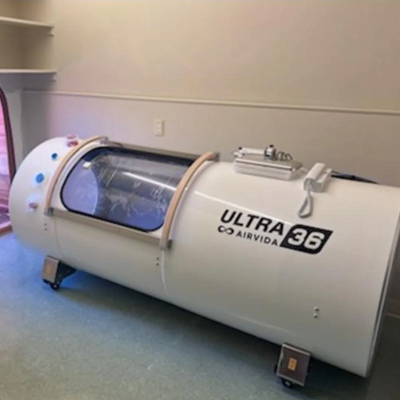
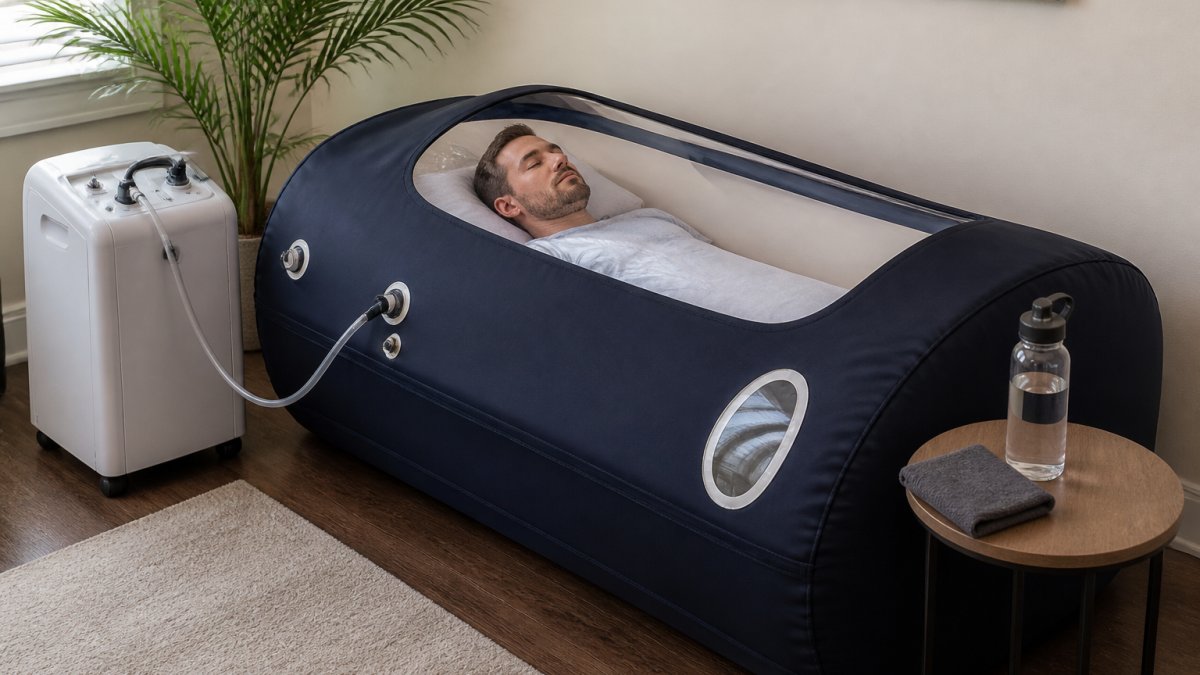
Higher pressure and higher oxygen concentration work together. A soft-sided chamber at low pressure delivers a modest increase; a hard-sided chamber at 1.3 to 1.5 ATA delivers a larger dose. That difference matters when you compare treatment outcomes, and it's the single spec we'd check first on any unit.
Medical Conditions Treated with Hyperbaric Oxygen Therapy
A 2021 review indexed in PubMed Central reports 14 approved indications, including air embolism, severe anemia, and certain infectious diseases. The Undersea and Hyperbaric Medical Society lists decompression sickness, carbon monoxide poisoning, diabetic wounds, and delayed radiation injury among conditions where HBO2 is standard of care.
| Condition Category | Clinical HBOT Status | Home Chamber Fit |
|---|---|---|
| Decompression sickness | Standard of care | Not appropriate; seek emergency care |
| Carbon monoxide poisoning | Standard of care | Not appropriate; call emergency services |
| Diabetic wounds | Standard of care | Adjunct only, with physician oversight |
| Delayed radiation injury | Standard of care | Not a substitute for clinical HBOT |
| Athletic recovery and fatigue | Not an approved indication | Reasonable wellness use |
| General inflammation and soreness | Preliminary evidence | Reasonable wellness use |
The Core Benefits of Home Hyperbaric Therapy
For a fuller worth-it analysis, see is a hyperbaric chamber worth it.
Wound Healing and Tissue Repair
Tissue oxygenation supports wound healing and tissue repair by feeding oxygen to areas with compromised blood flow. A 2026 study in Annals of Biomedical Engineering found that hyperbaric oxygen therapy enhances leukocyte activity and supports tissue recovery.
Pros: Plausible mechanism, meaningful for recovery from training and minor injuries. Cons: Home chambers run at lower pressure than clinical devices, so don't expect hospital-level results.
Inflammation, Circulation, and Immune Support
Reduced inflammation and swelling is the benefit most home users report first. A 2022 review on hyperbaric oxygen therapy for healthy aging describes preliminary observations that HBOT may attenuate inflammation, while noting more comprehensive research is needed.
Home Hyperbaric Chamber Safety and Emergency Planning
Home hyperbaric chamber safety starts with one fact: oxygen accelerates fire. The FDA warning on hyperbaric oxygen therapy devices specifically flags heightened fire risk with oxygen use and instructs users to follow device instructions and fire-prevention measures.
- No petroleum-based lotions, oils, or hair products on your body or clothing
- No electronics, phones, or synthetic fabrics inside the chamber
- Working smoke detector in the room; extinguisher within reach
- Emergency release valve tested and reachable from inside
- A second adult present for every session
- Physician clearance if you have lung disease, ear problems, or a pacemaker
Hyperbaric Oxygen Therapy Risks and Side Effects
Contraindications matter more than side effects. Untreated pneumothorax is an absolute contraindication. Certain chemotherapy agents and some heart conditions require physician sign-off. If you're managing a chronic condition, get clearance first; a chamber is not a substitute for medical supervision.
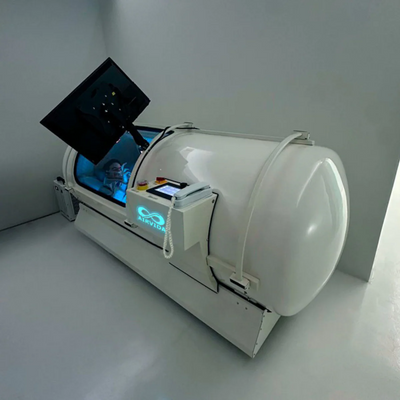
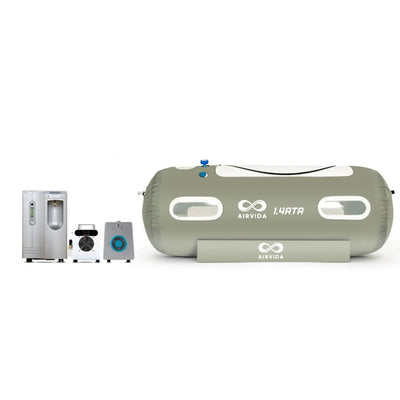
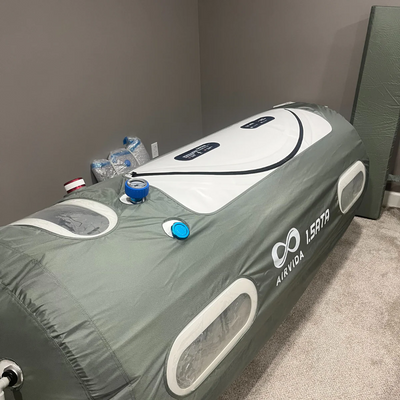
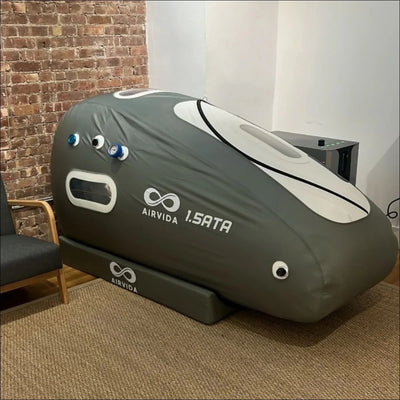
Airvida Portable Lying 1.1 - 1.4ATA Hyperbaric Chamber →
How Often to Use a Hyperbaric Chamber for Real Results
Track three things: sleep quality, soreness after training, and subjective energy. If nothing shifts after 10 to 15 sessions at a consistent schedule, the honest answer is that home therapy may not be your lever. That's useful information, not a failure.
Choosing a Home Chamber: Pressure, Cost, and What to Expect
For a full comparison framework, read how to choose hyperbaric oxygen therapy.
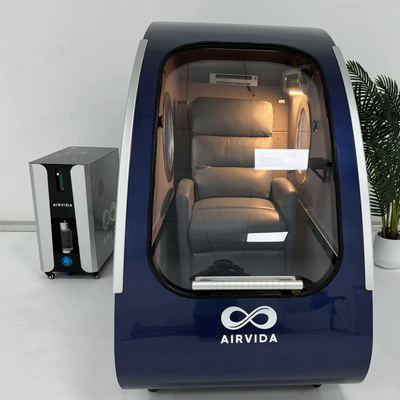
The Airvida Portable Lying 1.1-1.4 ATA chamber at $7,899 offers adjustable pressure and a 93% oxygen concentrator. The 1.2-1.5 ATA Airvida Portable Lying chamber at $8,399 offers adjustable pressure and a window design.

Setting Up Your Home Recovery Routine with Logic Health
At Logic Health, we stock hyperbaric chambers with free shipping on orders over $200, no tax, a 30-day return policy, and 24/7 customer support. As one repeat customer put it, "When I use it consistently, I feel so much better."
Frequently Asked Questions
What are the benefits of home hyperbaric therapy?
Home hyperbaric therapy delivers pressurized oxygen that raises oxygen saturation in the bloodstream, which may support wound healing, tissue repair, reduced swelling, and faster recovery between training sessions. A 2021 review indexed in PubMed Central notes therapeutic effects in decompression sickness, arterial gas embolism, and carbon monoxide poisoning. For healthy users, the healthy-aging review describes benefits as preliminary and calls for more research, so treat wellness claims as promising rather than proven.
Is home hyperbaric oxygen therapy as effective as treatment in a medical facility?
Not automatically. Clinic HBOT often runs at 2.0 to 3.0 ATA with medical supervision, while home soft-sided chambers typically operate around 1.1 to 1.5 ATA. The Undersea and Hyperbaric Medical Society ties standard-of-care status for conditions like diabetic wounds and delayed radiation injury to clinical protocols. Home units can still raise oxygen saturation, but if you are treating a diagnosed condition, ask your physician whether a home chamber fits the prescribed pressure and frequency.
What conditions is hyperbaric oxygen therapy approved to treat?
A 2021 review reports 14 approved indications, including air embolism, severe anemia, and certain infectious diseases. The Undersea and Hyperbaric Medical Society lists decompression sickness, carbon monoxide poisoning, diabetic wounds, and delayed radiation injury as conditions where HBO2 therapy is standard of care. These approvals apply to medically supervised treatment, not unsupervised home use, so confirm with your doctor before using a home chamber for any diagnosed condition.
How often should you use a home hyperbaric chamber?
Most protocols call for sessions of 60 to 90 minutes, four to five times per week, for a block of 10 to 20 sessions before judging results. The Airvida product listings reference users reporting benefits after about 10 sessions. Start at a lower pressure and shorter duration, track sleep, soreness, and energy in a simple log, and extend frequency only if you see consistent changes. Anyone with a diagnosed condition should follow their physician's schedule instead.
Is it safe to use a hyperbaric chamber at home?
Safety depends on the device and how you run it. The FDA warns of heightened fire risk with oxygen use and instructs users to follow device instructions and fire-prevention measures, which means no smoking, no alcohol-based lotions, and no electronics inside the chamber. Check for an emergency release valve, CO2 monitoring, and automatic pressure regulation. People with untreated pneumothorax, certain ear or sinus problems, or claustrophobia should get medical clearance first.
What are the risks and side effects of hyperbaric oxygen therapy?
Common side effects include ear pressure or discomfort, temporary vision changes, and fatigue after sessions. More serious risks include oxygen toxicity, barotrauma to the ears or lungs, and fire hazard when oxygen concentrates near ignition sources. The VA evidence brief on TBI and PTSD also notes that HBOT may be ineffective for some uses and that study design has been problematic, so set realistic expectations and stop if you notice ear pain, chest discomfort, or shortness of breath.
The challenge is not buying a chamber. It's building a routine that survives a busy month. Logic Health carries adjustable-pressure chambers with 93% oxygen delivery, free shipping over $200, and a 30-day return window so you can judge the fit yourself. Get started with Logic Health and turn recovery into a scheduled part of your week.