






 (307) 441-5030
Table of Contents
- What a Hyperbaric Chamber Actually Does
- Hyperbaric Oxygen Therapy Benefits: What the Evidence Supports
- How Long Is a Hyperbaric Oxygen Therapy Session?
- Hyperbaric Chamber Cost Per Session vs. Buying at Home
- Hyperbaric Chamber Side Effects and Safety Warnings
- Clinical-Grade vs. Home-Use Chambers: What Changes
- Pros and Cons: The Honest Verdict
- Frequently Asked Questions
Last Updated: September 13, 2026
What a Hyperbaric Chamber Actually Does
A hyperbaric chamber is a sealed vessel that raises the pressure around you above normal atmospheric pressure while you breathe concentrated oxygen, and that combination is the entire basis of hyperbaric oxygen therapy (peer-reviewed research). The pressure increases the amount of oxygen dissolved directly in your blood plasma rather than relying only on red blood cells to carry it.
That dissolved oxygen reaches tissue that has poor circulation, which is why the therapy gets used for wound healing, tissue oxygenation, and recovery acceleration. The pressure itself is measured in atmospheres absolute, or ATA. A clinical protocol might run at 2.0 to 2.5 ATA, while most home units operate between 1.1 and 1.5 ATA.
That pressure gap matters more than any marketing claim.
Hyperbaric Oxygen Therapy Benefits: What the Evidence Supports
The benefits of hyperbaric oxygen therapy split cleanly into two categories, and confusing them is the most common mistake buyers make.
Evidence-based benefits center on conditions where damaged tissue lacks blood supply. Raising oxygen tension in plasma drives angiogenesis, the growth of new blood vessels into oxygen-starved tissue, and supports the immune cells that clear infection. This is why non-healing wounds, radiation injury, and compromised skin grafts respond to treatment.
Unproven claims cover most of what you see advertised online: anti-aging, detoxification, cognitive enhancement in healthy adults, and general longevity. Small clinical trials exist for some of these, but the results are mixed and the sample sizes are small. That does not make them worthless to study. It makes them unproven today.
FDA-Cleared Uses vs. Off-Label Wellness Claims
The FDA has cleared hyperbaric oxygen therapy for a defined list of indications, including decompression sickness, arterial gas embolism, carbon monoxide poisoning, and certain non-healing diabetic wounds (the FDA). Treatment for those conditions is evidence-based medicine with decades of clinical support.
Anything outside that list is off-label use. A wellness center offering sessions for general fatigue is operating outside cleared indications, and you should treat the claims accordingly. Ask any provider which indication they are treating and what clinical evidence supports it.
How Long Is a Hyperbaric Oxygen Therapy Session?
A typical hyperbaric oxygen therapy session runs 60 to 120 minutes at pressure, with 90 minutes being the most common clinical protocol (peer-reviewed research). Add 10 to 15 minutes on each end for compression and decompression.
You will feel pressure in your ears as the chamber compresses, similar to descending in an airplane. Swallowing or yawning equalizes it. Most people read, watch a screen, or sleep through the rest.
Clinical protocols for wound healing often run daily or twice daily for several weeks. Wellness users typically do three to five sessions per week. The total number of sessions depends entirely on what you are treating, which is why a provider who quotes a fixed package before assessing you is selling, not treating.
Hyperbaric Chamber Cost Per Session vs. Buying at Home
Cost is where the "worth it" question usually gets decided, and the math depends on how many sessions you actually need.
A single clinical session at a hospital outpatient or wound care center typically bills several hundred dollars before insurance, and a full course of treatment can run into the thousands. That structure makes sense for an acute, insured condition. It makes much less sense for ongoing wellness use.
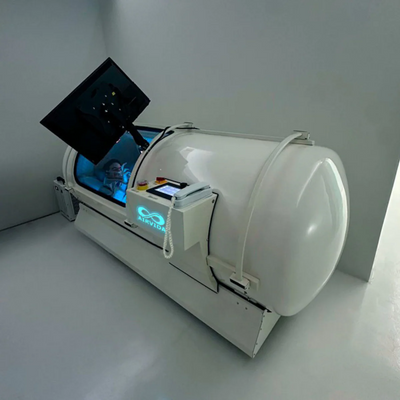
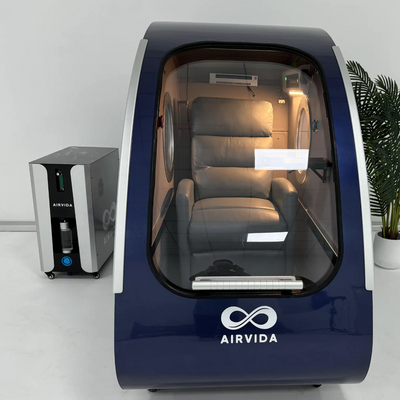
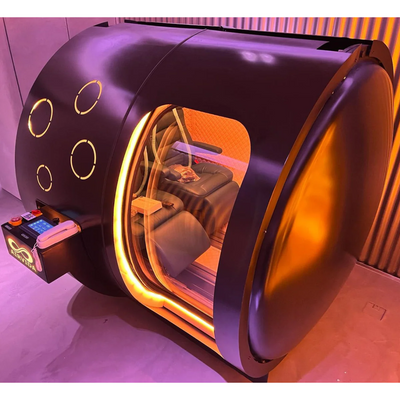
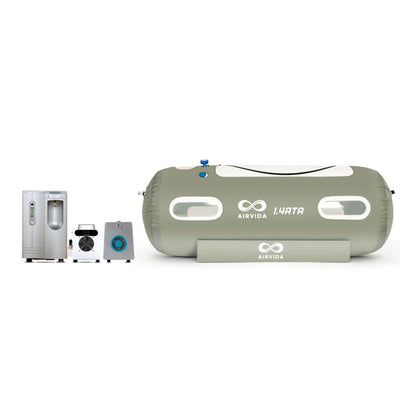
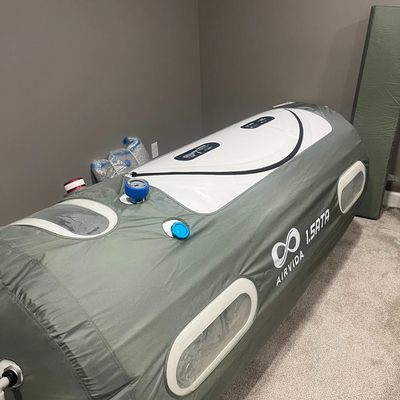
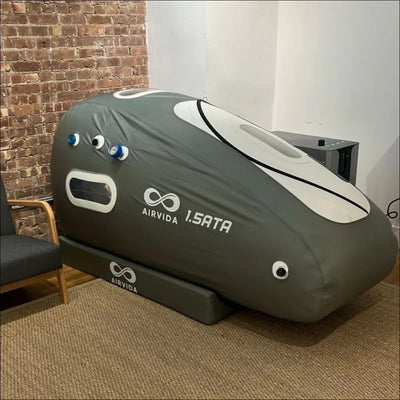
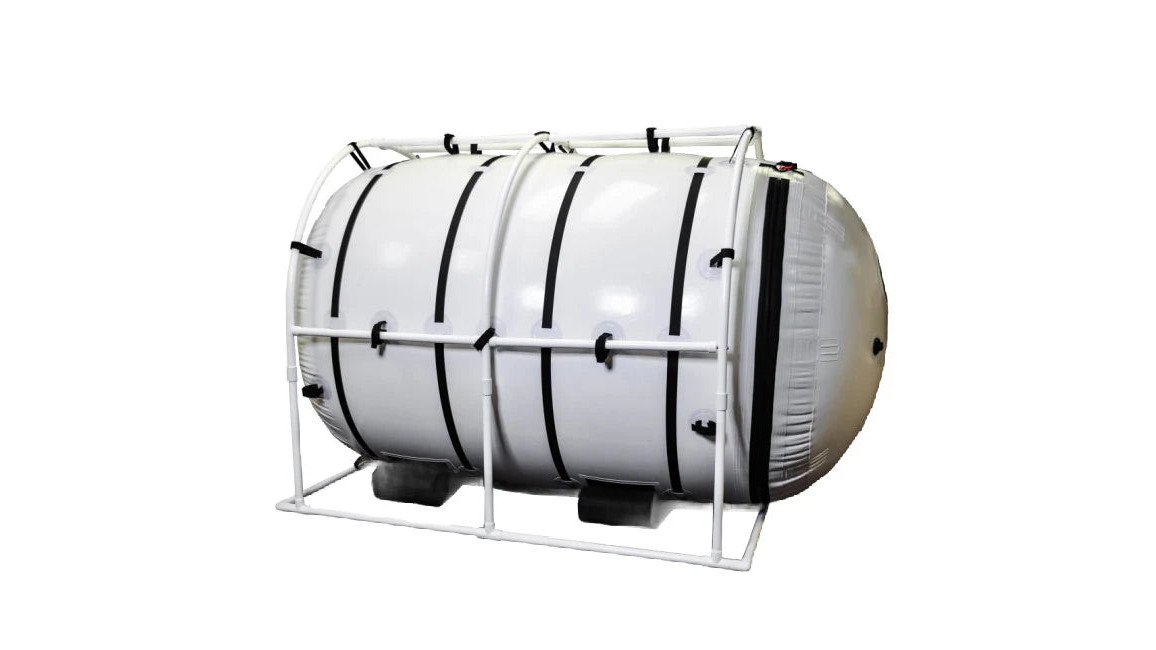
Home chambers change the equation. Logic Health carries the Airvida Portable Lying 1.1 - 1.4ATA Hyperbaric Chamber at $7,899, which is roughly the cost of a few weeks of clinical sessions. The Airvida Portable Lying 1.2 - 1.5ATA at $8,399 adds a higher pressure ceiling. For buyers who want maximum interior space and a fixed installation, the Summit to Sea Grand Dive at $13,995 and the Summit to Sea Grand Dive Pro Plus 6.5 at $21,495 sit at the top of the range.


Insurance, Reimbursement, and Out-of-Pocket Realities
Insurance coverage for hyperbaric oxygen therapy hinges on medical necessity and the specific diagnosis. When HBOT is ordered for an FDA-cleared indication, Medicare and many commercial plans cover it under defined billing codes, usually in a hospital outpatient or wound care setting.
Elective wellness use is not covered. Neither is most home chamber hardware, which is generally an out-of-pocket purchase. That distinction is the whole ballgame: if a physician is treating a covered diagnosis, the financial picture looks very different from someone buying a chamber for recovery and longevity.
Here is the practical part most articles skip. Coverage is not automatic even for a cleared indication. A common pattern is that the ordering physician must document that the wound or condition has failed standard treatment first, which means a paper trail of prior care. The provider then submits the claim under the appropriate code, and the payer reviews it against its own medical policy. Two plans can reach opposite decisions on the same diagnosis.
If you are pursuing coverage, ask the provider's billing office three questions before you start:
- Which diagnosis code and which procedure code will be submitted?
- Does my plan require prior authorization, and who files it?
- What is my out-of-pocket responsibility if the claim is denied?
Get the answers in writing. A denial can often be appealed with additional clinical documentation, but the appeal window is limited, so do not wait until the bill arrives.
If you buy a home unit, calculate your break-even: divide the purchase price by the per-session rate you would otherwise pay. A chamber that pays for itself in a few months of frequent use is a different proposition than one that never gets unzipped.
Hyperbaric Chamber Side Effects and Safety Warnings
Most side effects are mild and pressure-related. Ear discomfort and barotrauma top the list, followed by sinus pressure, temporary vision changes, and fatigue after a session. These are manageable with equalization technique and a provider who knows how to adjust compression rates.
More serious risks exist but are rare. Oxygen toxicity can affect the lungs or central nervous system with prolonged high-pressure exposure, which is why clinical protocols cap session length and pressure. Contraindications include untreated pneumothorax and certain lung conditions. Pregnancy and some implanted devices require a physician's clearance first.
If your ears hurt, the answer is to slow the compression, not to push through it. A chamber that lets you control the descent rate makes this far easier to manage.
Clinical-Grade vs. Home-Use Chambers: What Changes
The difference between a clinical chamber and a home unit comes down to three variables: chamber pressure, oxygen delivery method, and supervision.
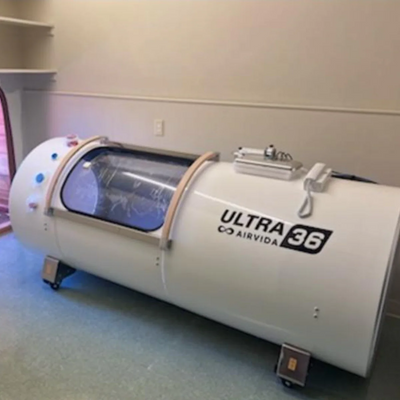
Clinical chambers reach 2.0 to 3.0 ATA and deliver 100% oxygen through a mask or hood under continuous medical supervision. Home chambers typically top out between 1.1 and 1.5 ATA. Many use ambient air with an oxygen concentrator feeding a mask, which means the oxygen concentration at the mask matters as much as the chamber pressure.
That does not make home units ineffective. It makes them a different tool with a different ceiling. For recovery, sleep, and general wellness, the lower pressure range is where most home users operate.
Soft Chambers vs. Hard Chambers: The Safety Question
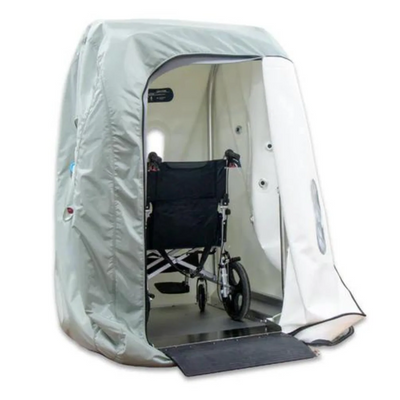
Most home units are soft-sided, a fabric shell held under pressure by a compressor. Clinical units are hard-shell and rigid. That construction difference drives everything else, and it is the part most buying guides gloss over.
A soft chamber's pressure ceiling is limited by its fabric and seams, which is why it cannot reach clinical pressures. That is a design limit, not a defect. The trade-off is portability and price against therapeutic intensity.
Safety at home rests on a few fundamentals:
- Oxygen handling. Oxygen supports combustion. Keep the concentrator and any oxygen source away from open flames, heaters, and smoking. Never use petroleum-based lotions or oils on your skin or hair before a session.
- Pressure control. A unit that lets you control the compression rate makes ear equalization far easier and reduces barotrauma risk, especially for beginners.
- Ventilation and monitoring. You are the attendant at home. A unit with a clear viewing window and an internal pressure gauge lets someone outside watch and respond.
- Maintenance. Seals, zippers, and compressors wear. Follow the manufacturer's service schedule; a chamber that leaks pressure is not delivering the dose you think it is.
A soft chamber is not a substitute for emergency or acute care. If you have an untreated collapsed lung, certain lung conditions, or an implanted device, get a physician's clearance before any session, home or clinical. When in doubt, the clinical setting is the safer choice.
What This Means for Efficacy
The honest framing is that home and clinical chambers sit on the same continuum, just at different points. Clinical protocols are built around pressures that home units cannot reach, so results from clinical studies do not transfer one-to-one to a 1.3 ATA soft chamber. That gap is real and worth respecting.
What home units offer is frequency. A therapy that is inconvenient and expensive per session gets used rarely; one that lives in your spare room gets used often. For recovery and general wellness, many users find that consistent lower-pressure sessions fit their routine better than occasional clinical visits.
What changes most is safety oversight. In a clinic, a trained attendant monitors you. At home, you are the attendant, which is why buying from a supplier that provides clear operating instructions and responsive support matters.
Pros and Cons: The Honest Verdict
Is a hyperbaric chamber worth it? For someone treating an FDA-cleared condition under a physician's care, yes, and the evidence is not close. For a healthy person chasing longevity or detox claims, the honest answer is that the evidence is thin and the cost is real.
Pros:
- Strong clinical evidence for wound healing, decompression sickness, and carbon monoxide poisoning
- Home units make frequent sessions practical without per-session billing
- Adjustable pressure lets beginners start low and build tolerance
- Recovery and sleep benefits are widely reported by regular users
Cons:
- Home hardware is a significant upfront cost with no insurance coverage
- Wellness claims outrun the clinical evidence
- Lower-pressure home units deliver less than clinical protocols
- Setup requires space and a dedicated power outlet
| Factor | Clinical Chamber | Home Chamber |
|---|---|---|
| Typical pressure | 2.0-3.0 ATA | 1.1-1.5 ATA |
| Oxygen delivery | 100% via mask or hood | Concentrator plus mask |
| Supervision | Attending clinician | Self-operated |
| Insurance | Often covered if indicated | Rarely covered |
| Best for | Cleared medical conditions | Recovery and wellness routines |
The throughline here is simple: worth depends on what you are treating and how often you will use it. A chamber that sits unused is expensive at any price.
The challenge with any recovery investment is separating genuine therapeutic value from marketing noise, and hyperbaric therapy sits right at that fault line. Logic Health stocks chambers built for people who intend to use them consistently, with free shipping on orders over $200, a 30-day return policy, and 24/7 customer support to help you set up correctly the first time. If you are ready to make recovery part of your routine, shop the Logic Health hyperbaric collection and start with a unit matched to your pressure needs.
Frequently Asked Questions
What is the downside of a hyperbaric chamber?
The main downsides are cost and limited FDA-cleared uses. Clinical sessions run several hundred dollars each and often require 20 to 40 visits, while home chambers start around $7,899. Side effects like ear barotrauma and temporary vision changes are usually mild but real. Many wellness claims for anti-aging or detox remain off-label and lack strong clinical trial support, so buyers should weigh hype against evidence.
How long do you typically stay in a hyperbaric chamber?
Most clinical sessions last 60 to 120 minutes, with the chamber pressurized for part of that time. A typical protocol includes 10 to 15 minutes of compression, 60 to 90 minutes at target atmospheric pressure, then a gradual decompression. Home-use chambers at 1.1 to 1.5 ATA often run 60 to 90 minutes per session, and many users do them several times per week for recovery or wellness goals.
How much does one session in a hyperbaric chamber cost?
Clinical hyperbaric oxygen therapy sessions in the U.S. commonly cost $200 to $600 each, and a full treatment protocol of 20 to 40 sessions can total $6,000 to $20,000 or more. Insurance may cover FDA-cleared indications like non-healing wounds or carbon monoxide poisoning when medical necessity is documented. Home chambers range from about $7,899 to $21,495, which pays off over time for frequent users.
Does hyperbaric chamber therapy really work?
For FDA-cleared conditions like decompression sickness, arterial gas embolism, carbon monoxide poisoning, and non-healing diabetic wounds, clinical evidence is strong. For wellness uses such as recovery acceleration, cognitive performance, or anti-aging, evidence is still emerging and often based on small clinical trials. The therapeutic effect depends on chamber pressure, oxygen concentration, session duration, and treatment protocol, so results vary widely by use case.