






 (307) 441-5030
Last Updated: October 31, 2026
Quick Summary
For most committed exercisers, yes: a Pilates reformer is worth the investment because it adds adjustable spring resistance and support that make core strength, mobility, and posture easier to build than floor work alone. The real test is total cost of ownership against studio classes, so buy only if you will use it consistently.
- Pilates reformer cost ranges from about $400 to more than $11,000, with studio-grade spring models typically $2,399 to $4,000.
- Delivery and assembly for a full-size reformer commonly runs $150 to $400, plus $100 to $250 for white-glove assembly.
- A spring set costs $60 to $150 and is replaced every 12 to 24 months under regular use.
- Calculate break-even by dividing total cost of ownership by your cost per studio class.
- Two or more unchecked boxes on the buy-or-skip checklist means wait before ordering.
Table of Contents
- What a Pilates Reformer Actually Does for Your Body
- Pilates Reformer Cost: What You Pay Up Front and Over Time
- Home Pilates Reformer vs. Studio Classes: Which Fits Your Routine?
- How Often to Use a Pilates Reformer to Make It Pay Off
- The Best At-Home Pilates Reformers by Budget and Space
- Durability, Maintenance, and Resale Value Over the Long Run
- A Buy-or-Skip Checklist Before You Order
- Pick Your Reformer and Start Your First Session
- Frequently Asked Questions
What a Pilates Reformer Actually Does for Your Body
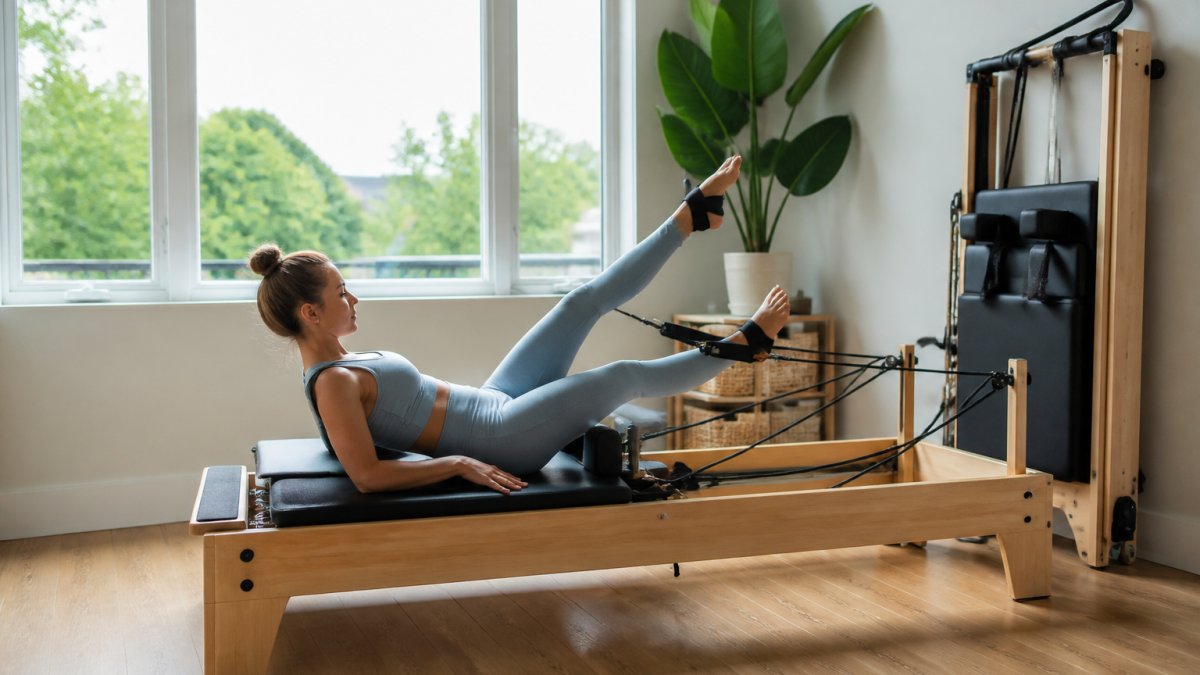
Is a Pilates reformer worth the investment? For most committed exercisers, yes: a Pilates reformer is a spring-loaded sliding platform that adds adjustable resistance and support to every movement, making core strength, mobility, and posture easier to build than with floor work alone.
The machine does three things well: it supports your body so you can hold positions longer, adds resistance in both directions, and forces controlled movement, which is where the strength gains come from.
Spring Resistance, the Carriage, and Why Form Matters
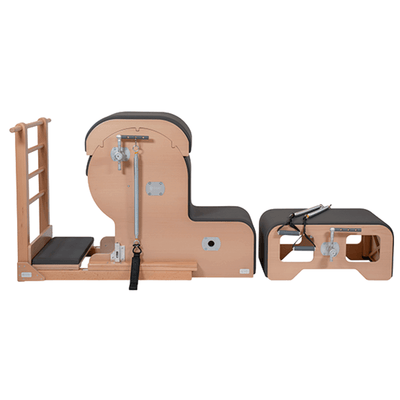
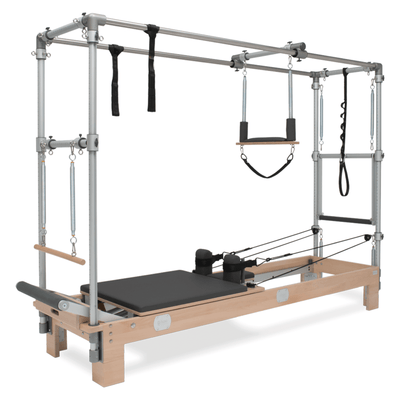
Spring resistance runs through a carriage that glides on rails, with a footbar, straps, and adjustable levels. Lighter springs suit rehab and beginners; heavier settings build muscle strength and control.
Form decides whether you get results or strain. A 2026 market outlook from MMCG's U.S. reformer Pilates analysis projects studio locations rising from about 1,800 at the end of 2025 to roughly 2,600 by 2030, which tells you demand for guided instruction is not going away.
Pilates Reformer Cost: What You Pay Up Front and Over Time
Pilates reformer cost ranges from about $400 to more than $11,000, according to The Core Collab USA's 2026 price guide, with studio-grade spring models typically listed between $2,399 and $4,000.
That spread matters because the cheap end and the studio end are different products; a $400 cord machine will not feel like the reformer in your class.
Total Cost of Ownership and the Break-Even Point
Total cost of ownership has five line items most buyers forget:
- Purchase price, the machine itself.
- Delivery and assembly, freight for a full-size reformer commonly runs $150 to $400, and white-glove assembly can add $100 to $250. Foldable and portable models usually ship free or at parcel rates.
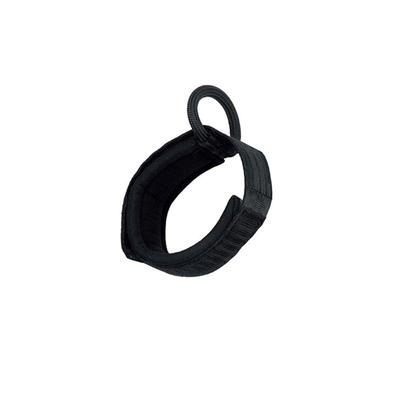
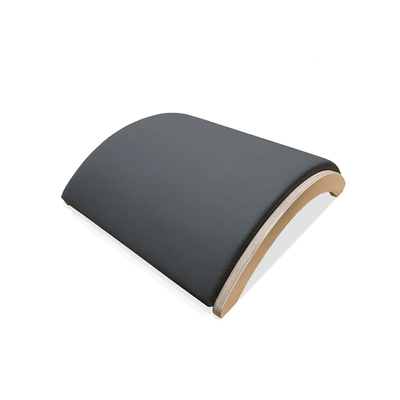
- Accessories, a sitting box, jumpboard, foot straps, and a reformer mat are often sold separately and can add $150 to $600.
- Maintenance, replacement springs, carriage wheels, and rope or strap sets. A spring set runs $60 to $150 and is replaced every 12 to 24 months under regular use; wheels and straps are similar.
- Instruction, streaming subscriptions commonly run $15 to $40 a month; a handful of private sessions at $60 to $120 each is a realistic one-time calibration cost.
| Cost Factor | Budget Cord Reformer | Studio-Grade Spring Reformer |
|---|---|---|
| Purchase price | Around $400 to $700 | $2,399 to $5,500+ |
| Delivery and assembly | Usually free or parcel rate | $150 to $650 |
| Accessories (box, jumpboard, straps) | $0 to $200 | $150 to $600 |
| Annual maintenance | $50 to $100 | $100 to $200 |
| Instruction (subscription or sessions) | $180 to $480/yr | $180 to $480/yr |
| Realistic year-one total | $630 to $1,480 | $2,879 to $7,430 |
| Expected lifespan | Shorter, replace sooner | Years with basic care |
| Break-even vs. classes | Fast, but limited workout | Slower, closer to studio feel |
How to Calculate Your Personal Break-Even
The break-even formula is simple: total cost of ownership ÷ cost per studio class = number of home sessions needed to break even. Then divide by your realistic weekly usage to get months.
The Hidden Costs That Sink the Math
Three costs rarely make it into the sticker comparison:
- Space. A reformer needs floor room for the carriage to travel. In a tight apartment, that floor space has a real cost.
- Instruction quality. A home machine cannot correct your form. Budget for a few in-person sessions or a structured streaming program, or injury risk erodes the savings.
- Resale friction. Heavy studio-grade machines are hard to ship secondhand; foldable models resell more easily but at a steeper percentage loss. Factor in the hassle, not just the resale price.
Run the math with your own class rate and honest weekly schedule before comparing sticker prices. The right machine is the one you will actually use.
Home Pilates Reformer vs. Studio Classes: Which Fits Your Routine?
Home Pilates reformer vs. studio classes comes down to instruction versus access. Studio classes give you a trained eye on your form and a scheduled commitment.
The honest trade-off: a home machine cannot correct your form. If you are new to the equipment, take a handful of classes or follow a structured program first, then bring that knowledge home.
How Often to Use a Pilates Reformer to Make It Pay Off
Consistency matters more than intensity when using a Pilates reformer.
Variety keeps you on the machine. Adding a jump board turns a strength session into light cardio, and cross-training with running or weightlifting fits well around reformer days.
The Best At-Home Pilates Reformers by Budget and Space
The best at-home Pilates reformers balance footprint, resistance quality, and price. Here is how we would sort the options we carry.
Entry Level: Foldable Dual Resistance Reformer
The Core Pilates Apex Foldable Dual Resistance Reformer at $699.97 combines springs with latex bands for 20 to 150 pounds of adjustable tension. It folds for storage and includes a jumpboard.
BASI Systems Compact Reformer →
Mid Range: Katlanir Premium and Sportline Bundle
The Private Pilates Katlanir Premium Foldable Reformer at $3,724 brings a steel chassis, 11 footbar angles, and a 10-year wooden frame warranty. The Sportline Superior Reformer Bundle at $4,585 adds a sitting box, jumpboard, and five springs in one package.


Studio Grade: BASI Systems Compact and Short Reformers
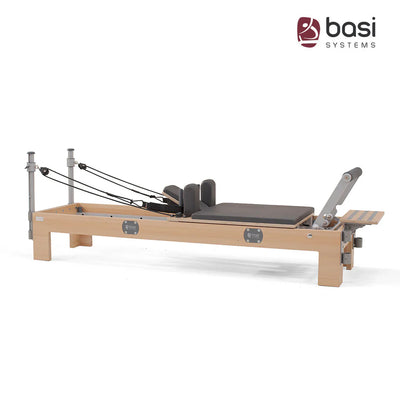
The BASI Systems Compact Reformer at $5,500 offers a space-saving design with a smooth, quiet carriage ride and adjustable components. The BASI Systems Short Pilates Reformer at $7,100 includes a half tower, aircraft-grade aluminum tracks, and an extra-long, wide carriage.
Best for: buyers who want studio feel at home. Skip if: your budget sits under $1,000.
Durability, Maintenance, and Resale Value Over the Long Run
Durability matters when weighing a reformer as a long-term purchase. Here is what actually determines whether a reformer is still solid in year five, and what it is worth if you sell it.
What Wears Out First (and What It Costs to Replace)
Every reformer has consumable parts. Knowing them tells you whether a machine is a lifetime purchase or a three-year one.
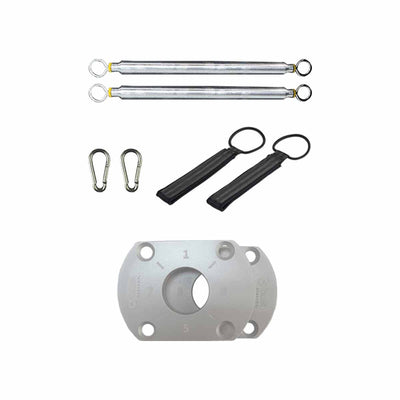
- Springs. The most frequent replacement. Springs lose tension with use; most home users replace a set every 12 to 24 months, typically $60 to $150. Studio-grade machines with standardized spring specs are easier and cheaper to re-spring than budget machines with proprietary cords.
- Carriage wheels and rollers. These take the load every rep. Quality polyurethane wheels last several years; cheap wheels flat-spot and rumble. Replacement sets commonly run $40 to $120.
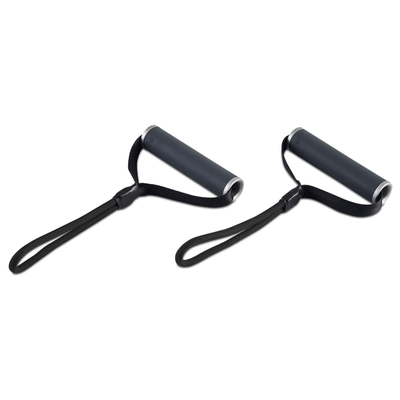
- Ropes, straps, and handles. These wear at the hand and foot loops and typically need replacing every one to three years at $30 to $80.
A Realistic Maintenance Schedule
Regular maintenance helps keep a reformer working well. Suggested habits include:
- After every session: wipe down the carriage and upholstery, and check that springs are seated correctly.
- Weekly: inspect ropes and straps for fraying, and check that the carriage glides without wobble.
- Monthly: clean the rails with a dry cloth, check wheel tightness, and rotate or replace springs that feel soft.
Resale Value: What Holds and What Doesn't
Resale is where the long-term math gets honest. Three patterns hold across the market:
The Long-Term Value Test
Before you buy, ask three questions: Can I get replacement springs and wheels in five years? Does the frame warranty survive a move? Is there a local market for this machine if I sell? If any answer is no, treat the purchase as a consumable, not an asset, and price it accordingly. A reformer that stays reliable and retains value makes the investment math work; one that cannot be maintained or resold is a subscription to a machine you cannot exit.
A Buy-or-Skip Checklist Before You Order
Run this before you click buy:
- I have used a reformer at least three times and know I enjoy it
- I have floor space plus clearance for the carriage to travel
- My budget covers the machine, not just the entry price
Two or more unchecked boxes means wait. A reformer gathering dust is the most expensive option on this list.
Pick Your Reformer and Start Your First Session
The real test is whether the machine gets used. Our recommendation: start with a compact or foldable model if space is tight, then upgrade once the habit sticks.
Logic Health stocks reformers across several budgets, with free shipping on orders over $200, a 30-day return policy, and 24/7 customer support. One customer put it simply: "When I use it consistently, I feel so much better."
Frequently Asked Questions
Is a Pilates reformer effective for building strength?
Yes. The carriage, footbar, straps, and spring resistance create adjustable load through a full range of motion, which trains core stability, muscle strength, and mobility at the same time. Because resistance levels change in seconds, the same machine works for rehabilitation and for athletic conditioning. Results depend on consistency and proper form more than on the price of the equipment. A reformer used three times a week for months will do more for you than a studio-grade machine that sits folded in a corner.
How much does a Pilates reformer cost?
Pilates reformer cost varies widely. At Logic Health, the foldable dual resistance reformer with jumpboard is $699.97, while the BASI Systems Short Reformer is $7,100. Decide your ceiling before you browse, because the accessories and upgrades add up quickly.
How often should you use a Pilates reformer to make it worth buying?
Three sessions a week is the practical threshold most buyers use to justify a home machine. At that frequency, a $699.97 reformer pays for itself in a few months compared with studio class pricing, while a $5,500 BASI Systems Compact Reformer takes longer. Two sessions a week still builds strength but stretches the break-even window. Under once a week, a class pack usually costs less than owning. Track your first month honestly before committing to a premium model.
Is a home Pilates reformer worth it compared with studio classes?
A home Pilates reformer wins on long-term cost and convenience if you will use it consistently and have room for it. Studio classes win on instruction quality, especially for beginners learning proper form. Many buyers do both: a class or two a month for form checks plus home sessions for volume. If you lack space or tend to skip workouts, the machine becomes an expensive clothes rack. Be honest about your schedule before you buy.
Who should not do reformer Pilates?
Anyone recovering from recent surgery, living with an acute injury, or managing a condition their doctor has restricted should get medical clearance first. Reformer work is low impact but not effort-free, and the spring resistance loads the spine and joints in ways that need correct setup. Pregnant users and people with osteoporosis should work with a qualified instructor who can adjust the footbar, springs, and range of motion. When in doubt, one session with a certified teacher answers the question faster than any article.
The challenge is not choosing a reformer. It is building the habit that makes the purchase pay off. Logic Health carries studio-grade and space-saving reformers with free shipping over $200, no tax, and a 30-day return window, so you can start your first session with confidence. Get started with Logic Health and turn your home into a studio you actually use.