






 (307) 441-5030
Table of Contents
- Understanding Hyperbaric Oxygen Therapy Options
- Hard-Shell vs. Soft-Shell Chambers
- Medical-Grade vs. Mild Chambers
- How to Choose a Hyperbaric Oxygen Chamber for Home Use
- Hyperbaric Oxygen Therapy Safety: What You Must Know
- How Long Does Hyperbaric Oxygen Therapy Take?
- Questions to Ask a Hyperbaric Oxygen Therapy Provider
- Comparing Costs, Insurance, and Total Investment
- Conclusion: Making Your Decision
- Frequently Asked Questions
Last Updated: October 13, 2026
Understanding Hyperbaric Oxygen Therapy Options
Hyperbaric oxygen therapy delivers pure oxygen at above-normal atmospheric pressure to raise oxygen concentration in the bloodstream.
The FDA has cleared hyperbaric chambers for specific indications, including wound healing and decompression sickness, while many wellness applications remain unproven.
Below, we'll show you how to evaluate chamber types, verify regulatory status, and ask the right questions before committing to a treatment course or home unit.
Hard-Shell vs. Soft-Shell Chambers
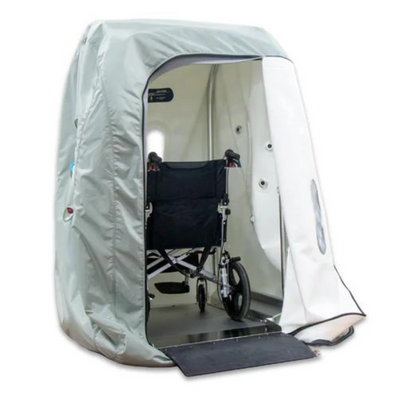
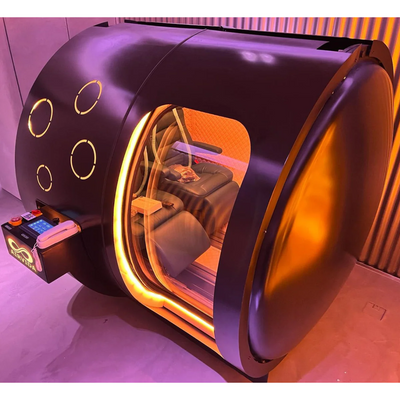
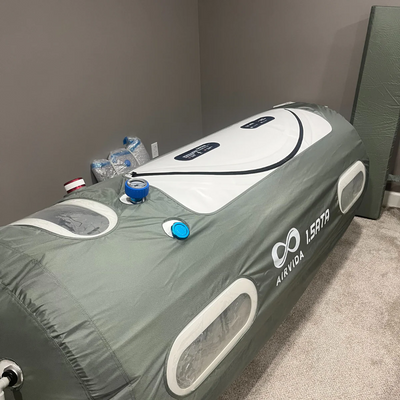
Hard-shell chambers use rigid materials like aluminum or acrylic to hold pressure reliably. Soft-shell chambers use flexible fabric and typically cap out at lower pressures, limiting their therapeutic range.
The practical difference shows up in three areas:
- Pressure ceiling: Hard-shell units reach higher atmospheres absolute (ATA), which matters for medical-grade protocols.
- Durability: Rigid construction resists wear across thousands of sessions.
- Oxygen delivery: Many hard-shell chambers integrate a built-in breathing system for concentrated oxygen.
Soft-shell chambers cost less and store easily, but deliver less consistent pressure, a real limitation if you need a specific protocol.
Medical-Grade vs. Mild Chambers
Medical-grade chambers operate at pressures and oxygen concentrations cleared for specific clinical indications. Mild (non-medical) chambers run at lower pressure and are marketed for general wellness rather than treatment.
That distinction drives who can operate the device, what conditions it can address, and whether insurance will cover it.
"Medical-grade" isn't a marketing label, it reflects a device's cleared intended use, verifiable through FDA device listings.
How to Choose a Hyperbaric Oxygen Chamber for Home Use
Choosing a home hyperbaric oxygen chamber comes down to four variables: pressure range, interior space, oxygen delivery method, and room fit.
Start with pressure: a 1.3 ATA chamber supports mild hyperbaric oxygen therapy, while 2.0 ATA units cover a wider range of protocols. Then measure your space, sitting chambers save significant floor area versus lying designs.
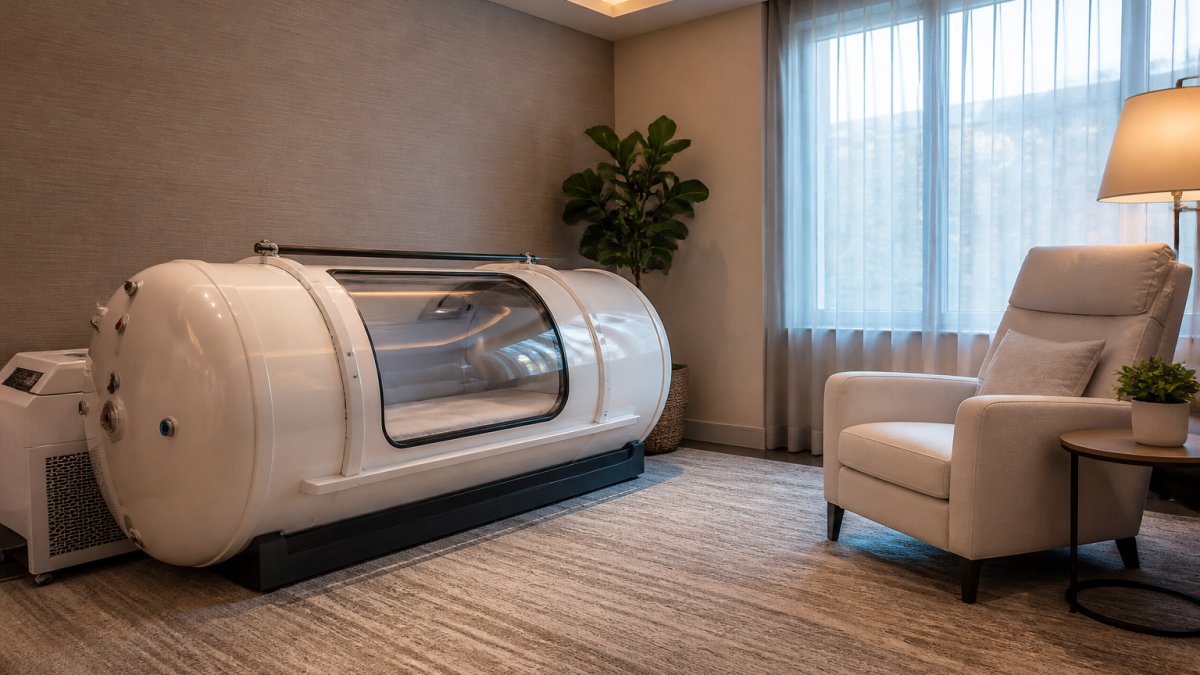
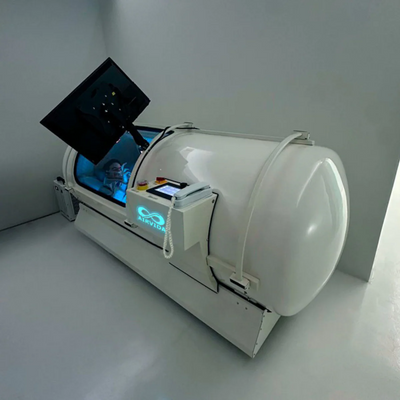
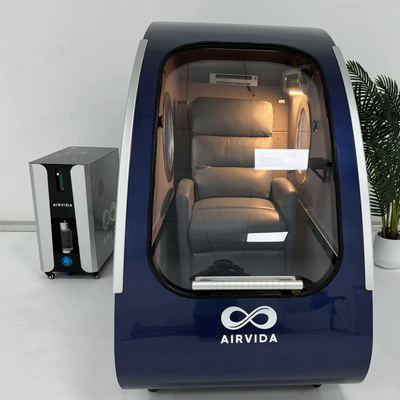
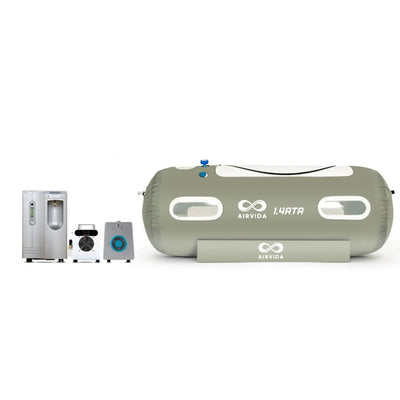
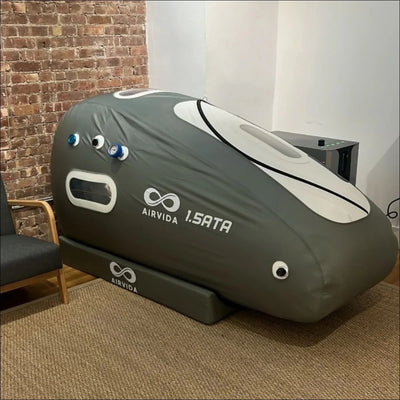
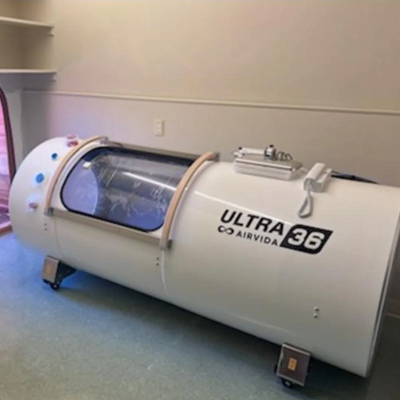
Our Airvida lineup covers both formats. The Airvida Ultra Hard Shell Lying Hyperbaric Chamber runs 1.3-2.0 ATA with a 78-inch interior, while the Airvida Elite Sitting Hyperbaric Chamber fits the same pressure range into a 36-inch diameter footprint. For tighter budgets, the Airvida Pro90 Portable Sitting Chamber delivers 1.0-1.3 ATA in a unit that breaks down for transport.


| Chamber Type | Pressure Range | Best For | Space Needs |
|---|---|---|---|
| Lying hard-shell | 1.3-2.0 ATA | Full protocols, taller users | Large room |
| Sitting hard-shell | 1.3-2.0 ATA | Compact clinics, homes | Medium room |
| Portable sitting | 1.0-1.3 ATA | Travel, small spaces | Minimal |
Hyperbaric Oxygen Therapy Safety: What You Must Know
Hyperbaric oxygen therapy safety depends on proper screening, correct equipment, and supervision by a qualified clinician. Pressure changes affect gas-filled spaces, the middle ear, sinuses, lungs, and intestines, so a pre-treatment assessment is not optional.
How Pressure Affects the Body
During compression, gas volume shrinks; during decompression, it expands. If a gas-filled space cannot equalize, the pressure differential causes barotrauma. The most common site is the middle ear, which is why providers teach ear-clearing techniques (Valsalva, Frenzel, or Toynbee maneuvers) before the first session.
Oxygen toxicity is the other core risk: CNS toxicity can cause seizures, and pulmonary toxicity can cause chest tightness or coughing.
Absolute and Relative Contraindications
An untreated pneumothorax is an absolute contraindication (Hyperbaric Oxygen Therapy Contraindications). So is a history of certain chemotherapy agents (notably bleomycin and doxorubicin) in some protocols, because of added pulmonary or cardiac toxicity risk. Relative contraindications and precautions include:
- Ear or sinus conditions: Eustachian tube dysfunction, recent ear surgery, or active sinus infection can make equalization difficult or dangerous.
- Lung disease: COPD with CO2 retention, bullous lung disease, or a history of spontaneous pneumothorax raises barotrauma risk.
- Implanted devices: Pacemakers, defibrillators, cochlear implants, and some neurostimulators may be pressure- or oxygen-sensitive. The device manufacturer's guidance governs.
Medications and Substances to Disclose
Before the first session, disclose all prescriptions, over-the-counter drugs, and supplements. Some medications interact with HBOT meaningfully, certain chemotherapy agents, disulfiram, and high-dose steroids, and insulin requirements can change during a course. A provider who doesn't ask for a full medication list isn't running a clinical intake.
Equipment and Chamber Safety Systems
Chamber safety standards cover pressure relief valves, oxygen concentration monitoring, fire suppression, and emergency decompression. Because high-oxygen environments accelerate combustion, the chamber interior must be free of petroleum-based products, alcohol-based lotions, static-generating synthetic fabrics, and anything that could spark.
tip Ask for the screening checklist in writing before your first session. A provider who cannot produce one is not running a clinical protocol.
Red Flags in a Safety Screening
Treat the following as reasons to pause and get a second opinion:
- No medical history form or no review by a clinician before the first session.
- No ear or sinus exam, and no instruction on equalization techniques.
- No written protocol stating pressure, oxygen concentration, session length, and number of sessions.
How Long Does Hyperbaric Oxygen Therapy Take?
A single hyperbaric oxygen therapy session typically runs 60 to 120 minutes, plus pressurization and depressurization time.
Session duration depends on the indication and prescribed pressure: mild wellness sessions sit at the shorter end, while wound-healing protocols run longer and repeat more often.
Airvida Ultra 1.3-2.0 ATA Hard Shell Lying Hyperbaric Chambers →
Plan for the full appointment window, not just the pressurized time. Setup, screening, and recovery add 15 to 30 minutes on either side.
Questions to Ask a Hyperbaric Oxygen Therapy Provider
Asking the right questions separates a legitimate clinic from a wellness vendor. Here are the questions, what a strong answer sounds like, and how to verify claims yourself.
Verifying Regulatory Status and Intended Use
The FDA clears hyperbaric chambers for specific intended uses. "Cleared" isn't "approved," and neither is "marketed for", a device can be legally cleared for one indication while a seller markets it for a dozen others. Check the device against its cleared intended use.
- Ask: "What is the device's FDA-cleared intended use, and can you show me the clearance number?"
- Strong answer: A specific clearance number (a K number for 510(k) clearance or a P number for premarket approval) and a plain-language statement of the cleared indication.
- Weak answer: "It's FDA approved" with no number, or a claim that the device treats a long list of unrelated conditions.
FDA device registration and listing database
Assessing Clinical Oversight
HBOT is a medical treatment. Someone with the training to recognize and manage complications should be supervising it.
- Ask: "Who supervises treatment, and what are their credentials?"
- Strong answer: A physician medical director plus a clinician (RN, RT, or hyperbaric technologist with certification) present or immediately available during the session, with a defined emergency protocol.
- Weak answer: A technician with no clinical backup, or a staff member who cannot describe what happens if a patient has a seizure or an ear injury.
Assessing the Treatment Protocol
A real protocol is written down and specific. Vague answers here are the most common sign a facility is selling sessions rather than delivering treatment.
- Ask: "What pressure, oxygen concentration, session length, and number of sessions will my protocol use, and why?"
- Strong answer: A specific ATA (for example, 2.0 to 2.5 ATA for many wound-healing protocols, or 1.3 to 1.5 ATA for mild applications), the oxygen delivery method (hood, mask, or chamber atmosphere), session duration, and a session count tied to a clinical endpoint.
- Weak answer: "We'll see how you feel" or a pressure that changes without a clinical reason.
Assessing Monitoring and Outcomes
- Ask: "How do you monitor me during a session, and how do you track whether it's working?"
- Strong answer: In-chamber observation or communication, vital sign checks, a documented assessment at defined intervals, and objective outcome measures (for example, wound measurements, imaging, or validated symptom scores) reviewed with you.
- Weak answer: No documentation, no outcome tracking, and no plan for stopping treatment if it is not working.
Assessing Safety and Emergency Procedures
- Ask: "What safety systems does the chamber include, and what is your emergency decompression and fire plan?"
- Strong answer: Pressure relief valves, oxygen concentration monitoring, fire suppression, a written emergency decompression procedure, and staff trained to execute it.
- Weak answer: "It's very safe" with no specifics.
Assessing Cost and Coverage
- Ask: "Does my insurance cover any portion, and what will I pay out of pocket for the full course?"
- Strong answer: A clear distinction between covered medical indications and self-pay wellness use, a written estimate for the full course (not just per session), and help with prior authorization.
- Weak answer: A per-session price with no course-level estimate and no clarity on coverage.
Quick Reference Checklist
- What is the device's FDA-cleared intended use, and what is the clearance number?
- Who supervises treatment, and what are their credentials?
- What pressure, oxygen concentration, session length, and session count will my protocol use?
Comparing Costs, Insurance, and Total Investment
Total cost depends on whether you buy a chamber or pay per session, and whether insurance covers any of it. FDA-cleared indications are more likely to qualify than wellness use.
For home units, our pricing runs from $10,399 for the portable Pro90 up to $149,699 for the multiplace Phoenix 2. The Airvida Alpha 90 sits at $78,799 for a 1.3 ATA home unit, and the Airvida Ultra at $27,999 for a lying design.

| Option | Upfront Cost | Ongoing Cost | Best For |
|---|---|---|---|
| Per-session clinic | None | Per visit | Testing a protocol |
| Portable home unit | $10,399 | Minimal | Travel, small spaces |
| Full home unit | $27,999-$78,799 | Minimal | Regular use |
Coverage varies by diagnosis and plan. Check with your insurer before assuming a course is covered, and get the denial or approval in writing.
The cheapest chamber is not the cheapest decision. Factor in session frequency, protocol length, and whether the unit's pressure range actually matches your needs.
Conclusion: Making Your Decision
Choosing the right hyperbaric oxygen therapy setup comes down to matching the device to a medically valid use case, verifying regulatory status, and confirming clinical oversight. Skip any of those and you risk paying for a device that can't deliver what you need.
Logic Health stocks FDA-registered chambers across the full pressure range, from the portable Pro90 to the multiplace Phoenix 2.
Get started with Logic Health and find the chamber that fits your recovery goals.
Frequently Asked Questions
How do I choose a hyperbaric oxygen therapy provider?
Start by verifying the provider's credentials and the chamber's FDA status. Ask whether a physician oversees treatments and whether the chamber is FDA-cleared for your specific condition. Check that the facility follows safety standards, including oxygen monitoring and emergency protocols. Request a tour, review their treatment protocols, and confirm they screen for contraindications. A reputable provider will welcome your questions and provide clear, evidence-based answers.
What should I ask before starting hyperbaric oxygen therapy?
Ask about the provider's experience with your condition, the chamber type and pressure used (measured in ATA), and the number of sessions recommended. Inquire about safety features, side effects, and what to expect during a session. Confirm costs, insurance coverage, and cancellation policies. Also ask whether you need a referral or prescription and if they coordinate with your primary care doctor. These questions help you assess both quality and fit.
How can I tell whether a hyperbaric oxygen therapy clinic is safe?
Look for FDA-cleared or registered equipment, trained staff, and a physician on site or available. The clinic should have clear emergency procedures, oxygen sensors, and fire safety measures. Ask about their track record and whether they follow Undersea and Hyperbaric Medical Society guidelines. A safe clinic will happily show you their equipment and explain their safety protocols without hesitation.
What conditions is hyperbaric oxygen therapy used to treat?
FDA-approved indications include wound healing, decompression sickness, carbon monoxide poisoning, and certain infections. Many clinics also offer HBOT for off-label uses like recovery from sports injuries or chronic fatigue, though evidence varies. Always consult a doctor to see if HBOT is appropriate for your specific condition. Insurance typically covers only FDA-approved indications.
What are the risks and side effects of hyperbaric oxygen therapy?
Common side effects include ear discomfort, sinus pain, and temporary vision changes. More serious risks, though rare, include oxygen toxicity, lung damage, and fire hazards if safety protocols are not followed. Proper screening for contraindications like pneumothorax or certain lung conditions is essential. Always choose a facility that prioritizes safety and monitors you throughout the session.
What is the difference between medical-grade and mild hyperbaric oxygen therapy?
Medical-grade chambers reach pressures of 2.0 ATA or higher and deliver pure oxygen, typically in a clinical setting. Mild chambers, often soft-shell, operate at 1.3 ATA or lower and may use ambient air or supplemented oxygen. Medical-grade is required for FDA-approved indications, while mild chambers are marketed for wellness. For home use, verify the chamber's intended use and regulatory status.
How many hyperbaric oxygen therapy sessions are usually needed?
The number of sessions depends on the condition and protocol. For chronic wounds, 20 to 40 sessions are common; for recovery or wellness, 5 to 10 may suffice. Each session lasts 60 to 120 minutes. Your provider should outline a treatment plan with clear goals and reassess progress regularly. More sessions are not always better; quality and consistency matter.
How do I choose a hyperbaric oxygen chamber for home use?
First, determine your goals and budget. For clinical-grade therapy, consider hard-shell chambers like the Airvida Ultra (1.3-2.0 ATA, $27,999) or the compact Airvida Elite ($45,899). For portability, the Airvida Pro90 ($10,399) offers 1.3 ATA in a sitting design. Check FDA status, safety features, and space requirements. Consult a healthcare provider to ensure the chamber meets your therapeutic needs.