






 (307) 441-5030
Table of Contents
- Why Evidence Matters When Choosing Wellness Tools for Longevity
- Science-Backed Longevity Habits You Can Start Today
- Healthy Aging Biomarkers: How to Measure What Matters
- Sauna Benefits for Longevity: What the Research Shows
- Longevity Supplements: What Works and What to Skip
- How to Build a Realistic Longevity Toolkit at Home
- Common Mistakes and Safety Considerations
- Conclusion: Your Next Steps Toward Healthy Aging
- Frequently Asked Questions
Last Updated: October 12, 2026
Why Evidence Matters When Choosing Wellness Tools for Longevity
The science backed wellness tools for longevity market has a credibility problem: shelves of devices promising cellular renewal, detoxification, and age reversal, with almost no published research behind them.
The National Institute on Aging's longevity research overview makes the distinction clear.
That is the filter we apply to every product we stock. Below, we break down which tools hold up under scrutiny, which habits come first, and how to measure whether any of it is working.
Science-Backed Longevity Habits You Can Start Today
The highest-return longevity interventions cost nothing and require no equipment. Physical activity, sleep, and nutrition remain the foundation every device should amplify, not replace.
Exercise, Sleep, and Nutrition: The Foundation
Regular exercise is the single most studied longevity lever. Current federal guidance from the CDC physical activity recommendations calls for 150 minutes per week of moderate-intensity activity or 75 minutes per week of vigorous activity, plus two sessions of strength training.
Sleep matters just as much. Adults who consistently get seven hours show better metabolic and cognitive outcomes. Nutrition follows the same pattern: whole foods, adequate protein, and fiber outperform any supplement stack.
- Aerobic exercise: 150 minutes per week, spread across most days
- Strength training: two sessions per week, all major muscle groups
- Sleep: seven hours of sleep, consistent timing
Healthy Aging Biomarkers: How to Measure What Matters
Healthy aging biomarkers are the measurable signals that tell you whether your habits are changing your trajectory. Without them, you are guessing. The key is knowing which markers are clinically validated, which are useful for self-tracking, and which are marketing constructs.

Validated Clinical Markers
These markers have the strongest evidence base and are typically ordered by a clinician during routine preventive visits:
- Blood pressure. Target below 120/80 mmHg for most adults. Elevated readings are among the most modifiable risk factors for cardiovascular disease and stroke.
- Resting heart rate. A typical adult range is 60 to 100 beats per minute; well-trained individuals often sit in the 40s to 50s. A rising rate over months can signal poor recovery, illness, or deconditioning.
- Lipid panel. Total cholesterol, LDL, HDL, and triglycerides. These are standard components of the American Heart Association's cardiovascular health guidance and inform risk for atherosclerotic disease.
Functional Markers You Can Track at Home
Functional capacity predicts independence better than many lab values. The World Health Organization's healthy aging framework frames this as functional ability: what you can do, not just what your labs say.
- Grip strength. Measured with an inexpensive dynamometer. Declining grip strength is associated with frailty and mortality risk in older adults.
- Walking speed. A common benchmark is about 1 meter per second comfortably; slower gait is associated with higher fall and disability risk.
- Sit-to-stand test. Count how many times you can rise from a chair in 30 seconds without using your arms. A quick proxy for lower-body strength and balance.
Body Composition Markers
Body composition markers include skeletal muscle mass and visceral fat, both stronger predictors of long-term health than scale weight alone. A scanner reporting both gives more actionable data than a standard scale. Track these quarterly, not daily.
| Marker Category | What to Track | Why It Matters |
|---|---|---|
| Body composition | Skeletal muscle mass, visceral fat | Predicts metabolic and cardiovascular risk |
| Cardiovascular | Resting heart rate, blood pressure | Reflects cardiorespiratory fitness |
| Functional | Grip strength, walking speed, sit-to-stand | Tracks independence and mobility |
| Recovery | Sleep regularity, soreness duration | Shows how well your body repairs |
What About Biological Age Tests?
Commercial "biological age" or "epigenetic age" tests are widely marketed as longevity tools, but their clinical utility is still being studied. A single score does not predict your lifespan, and results can vary between tests and even between samples from the same person. Treat them as research-grade curiosities, not diagnostic tools.
Sauna Benefits for Longevity: What the Research Shows
Sauna use has moved from spa amenity to serious longevity tool, driven by cardiovascular and heat-shock-protein research rather than marketing.

Regular sauna sessions support circulation, muscle relaxation, and stress reduction, which is why we stock the Health Smart 2 Person Full Spectrum Infrared Sauna (Cedar).

Infrared vs. Traditional Saunas: Which Is Right for You?
Infrared saunas heat the body directly with radiant energy rather than the air around you: lower ambient temperatures, faster warm-up, and less strain on your home's electrical setup. Traditional saunas deliver more intense heat and a stronger sweat response.
For home use, infrared wins on practicality: standard household power, faster heat-up, and a gentler session that matters if you use it several times per week rather than once a month.
Longevity Supplements: What Works and What to Skip
Most longevity supplements do not survive contact with the evidence. The supplement aisle is where marketing outruns research by the widest margin, and the money spent there usually delivers less than the same money spent on sleep, food, or a recovery device. The FDA's dietary supplement guidance is clear that supplements are regulated as food, not drugs, which means they are not reviewed for effectiveness before they reach shelves.
Food First, Then Test, Then Supplement
The most reliable path is a sequence, not a shopping list:
- Build the dietary pattern. Whole foods, adequate protein, fiber, and a variety of plants cover most nutrient needs.
- Test for deficiencies. A blood panel costs less than a year of most supplement subscriptions and shows exactly what you are missing.
- Supplement only what is low or strongly evidenced for your situation.
What Holds Up Under Scrutiny
These have meaningful evidence for specific uses, not for general "anti-aging":
- Creatine monohydrate. Well-studied for muscle strength and performance, with growing evidence for cognitive support. A common maintenance dose is 3 to 5 grams per day; no loading phase required.
- Vitamin D. Worth supplementing where a blood test confirms deficiency. It supports bone health and immune function, but megadoses without testing can be harmful.
- Omega-3 fatty acids. Associated with improved cardiovascular markers, particularly triglycerides. Fatty fish is preferable when tolerated.
What to Skip
- Proprietary blends with no disclosed dosages. If the label will not tell you how much of each ingredient is present, you cannot evaluate it.
- Products marketed on telomere claims alone. Telomere length is a research measure, not a proven target for consumer supplements.
- "Anti-aging" combination formulas. Stacking many low-evidence ingredients does not create high evidence.
Safety and Interactions
Supplements are not risk-free. Some interact with prescription medications, affect blood clotting, or cause organ stress at high doses.
Health Smart 2 Person Full Spectrum Infrared Sauna (Cedar) →
- Check with a physician or pharmacist before starting any supplement alongside prescription medication.
- Be cautious with high-dose vitamin A, iron, and certain herbal extracts, which can accumulate or interact.
- Stop and seek medical advice for unexpected side effects such as digestive upset, bleeding, or heart rhythm changes.
How to Build a Realistic Longevity Toolkit at Home
A practical home toolkit follows a sequence: recovery first, measurement second, optimization third. Buying in that order prevents the most common mistake: spending on advanced devices before the basics are handled.
Recovery tools come first because they support habits you already have. The FCP Premium XL 120 Gal Cold Plunge Tub Kit delivers consistent cold temperatures for post-workout recovery, with a 5-layer insulated tub and chiller that removes the ice-run problem. The Airvida Cordless Leg Compressions handle circulation and muscle fatigue with four compression zones, 200 mmHg maximum pressure, and cordless operation.
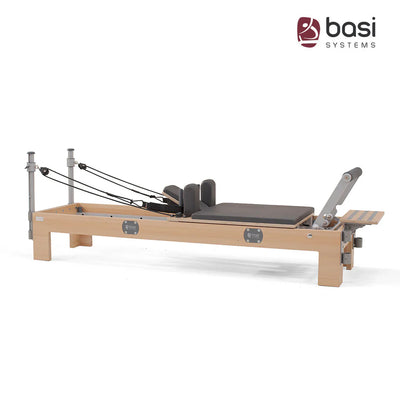
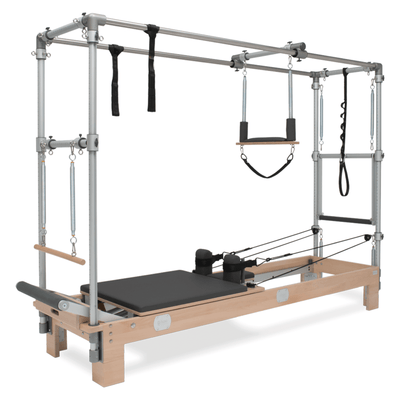
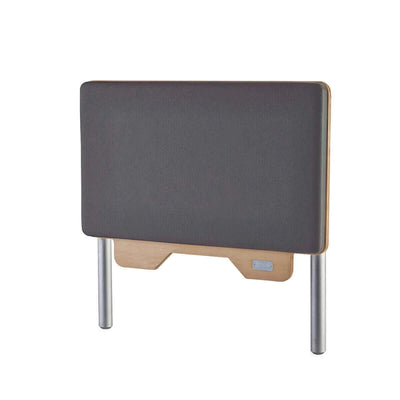
For movement, the Rovix Premium Indoor Aerobic Ski Glider engages 84% of your muscles across ten resistance levels, covering aerobic and strength targets in one machine. The Queen Foldable Pilates Reformer offers studio-grade resistance without permanent floor space, folding flat in under 30 seconds.
Measurement closes the loop. The Evolt 360 Body Scanner reports over 40 body metrics including skeletal muscle mass and visceral fat, so you can see whether the routine is producing change.
| Priority | Tool Type | Example | Rough Investment |
|---|---|---|---|
| 1 | Recovery | Cold plunge, compression boots | $459 - $1,100 |
| 2 | Movement | Ski glider, Pilates reformer | $1,200 - $3,000 |
| 3 | Measurement | Body composition scanner | $10,000 |
| 4 | Heat therapy | Infrared sauna | $3,299 |
Budget-Friendly Options and Space-Saving Solutions
Start with the lowest-cost item that supports a habit you already have. Compression boots fit in a closet, need no installation, and deliver a recovery benefit you can feel within a session or two.
Space is the constraint most people underestimate. If your home cannot accommodate a permanent footprint, prioritize foldable and portable equipment. The Queen folds flat in under 30 seconds and stores under most beds or in closets.
Common Mistakes and Safety Considerations
The biggest mistake is buying equipment before building the habit it supports. A cold plunge used twice and then ignored costs more per session than any spa membership.
The second mistake is skipping measurement. Without baseline biomarkers, you cannot tell whether a device is helping or whether you simply feel better because you spent money.
Safety matters more than most buyers expect:
- Clear heat therapy with a clinician if you have cardiovascular conditions
- Never use cold plunge alone if you have a heart condition or are pregnant
- Start compression therapy at the lowest pressure setting
None of these tools replace preventive care. Keep scheduled checkups, age-appropriate screenings, and early detection appointments on your calendar.
Conclusion: Your Next Steps Toward Healthy Aging
The gap between a wellness purchase that works and one that collects dust usually comes down to sequence, not product quality.
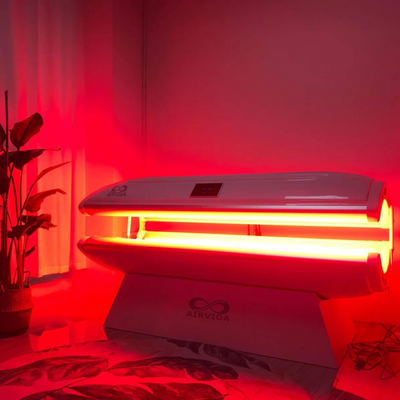
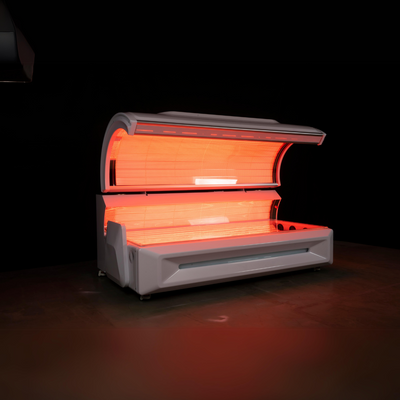
Logic Health stocks the recovery and measurement tools we would use ourselves, from the Health Smart Red Light Therapy Panel for muscle recovery and skin health to the Evolt 360 for tracking real change.

Start with one tool that fits your routine, use it for a month, and measure the difference. That is how a longevity toolkit earns its place.
Frequently Asked Questions
What are the top 3 supplements for longevity?
Research points to a few supplements with the strongest evidence for healthy aging. Vitamin D supports bone health and immune function, especially for people with limited sun exposure. Omega-3 fatty acids from fish oil support heart and brain health. Creatine, typically used for muscle, also shows promise for cognitive function in older adults. Always talk to your doctor before starting any supplement, because interactions and dosing matter. No supplement replaces exercise, sleep, and a balanced diet.
What are the top 5 biomarkers for longevity?
Five biomarkers give a clear picture of how well you are aging. First, VO2 max measures cardiorespiratory fitness and predicts mortality better than many other metrics. Second, skeletal muscle mass, which you can track with a body composition scanner, supports metabolism and mobility. Third, visceral fat, the fat around your organs, links to inflammation and disease risk. Fourth, fasting glucose and insulin sensitivity reflect metabolic health. Fifth, inflammatory markers like CRP show chronic inflammation. Regular testing helps you track changes over time.
Which wellness tools have the strongest evidence for supporting longevity?
The strongest evidence supports tools that improve cardiovascular fitness, recovery, and stress management. Saunas show consistent links to lower cardiovascular risk and improved circulation. Cold plunge therapy helps with muscle recovery and mental resilience. Red light therapy has evidence for pain relief, skin health, and inflammation reduction. Leg compression boots improve circulation and reduce soreness. Tools like Pilates reformers and ski gliders build strength and aerobic capacity, which directly influence how long you live well.
Do saunas or massage chairs help with longevity?
Saunas have the stronger evidence base for longevity. Regular sauna use is linked to improved cardiovascular health, lower blood pressure, and reduced risk of heart disease. Massage chairs offer real benefits for relaxation, circulation, and muscle tension, but they do not have the same direct link to lifespan. Both support stress reduction and recovery, which matter for healthy aging. Think of saunas as a longevity tool and massage chairs as a recovery and comfort tool.
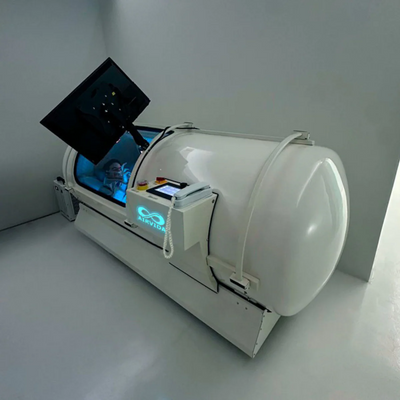
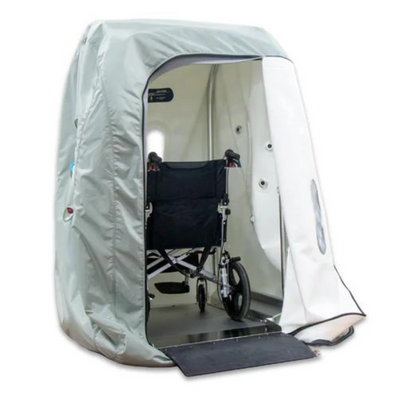
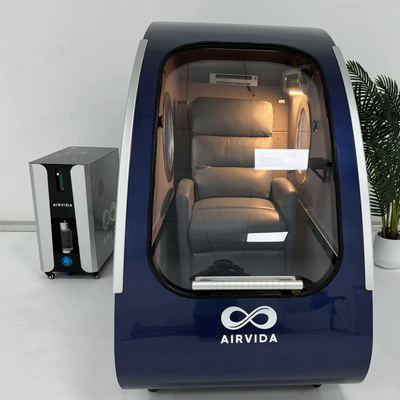
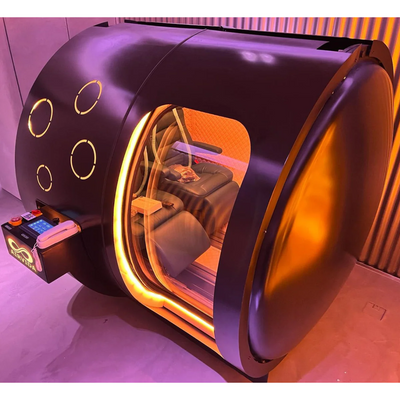
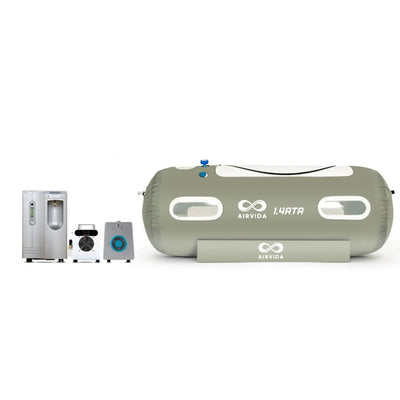
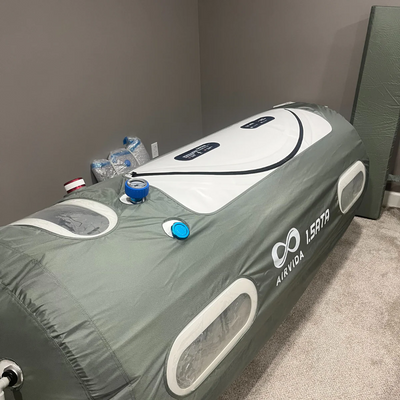
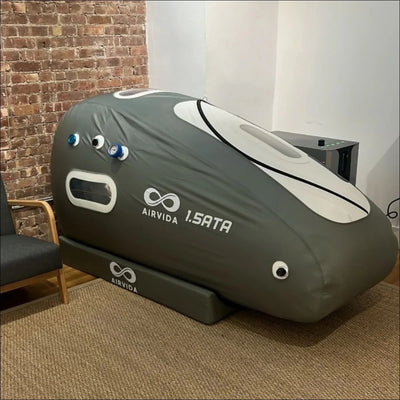
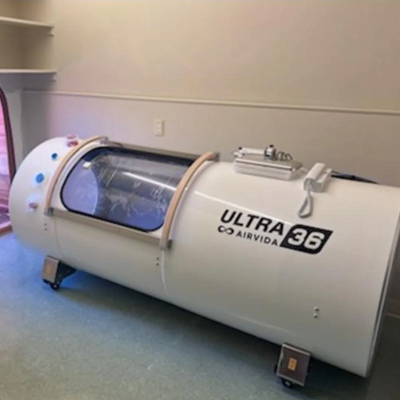
Are hyperbaric chambers proven to slow aging?
Hyperbaric chambers show promise in early research for wound healing, inflammation reduction, and cellular repair. Some small studies suggest they may influence biological age markers like telomere length, but the evidence is not yet strong enough to call them proven anti-aging tools. They are FDA-cleared for specific medical conditions, not general longevity. If you are considering one, talk to a doctor about whether it fits your health situation and goals.
What daily habits have the biggest impact on healthy aging?
Four habits consistently show the strongest impact. First, move your body most days, aiming for at least 150 minutes of moderate activity per week plus strength training twice weekly. Second, prioritize sleep, targeting seven to nine hours per night. Third, eat a diet rich in whole foods, vegetables, and lean protein. Fourth, manage stress through practices like sauna sessions, deep breathing, or time in nature. These habits outperform any single supplement or gadget.