






 (307) 441-5030
Table of Contents
- Why Home Recovery Equipment Beats the Gym Recovery Room
- Quick Comparison: Top Home Recovery Equipment for Athletes
- Cold Plunge Tub: The Gold Standard for Inflammation Reduction
- The Benefits of Compression Boots for Athletes
- Best Percussion Massage Guns for Muscle Soreness
- Infrared Sauna: Heat Therapy for Deep Tissue Repair
- How to Build a Home Recovery Room on Any Budget
- Safety First: Contraindications and Smart Usage
- Frequently Asked Questions
Last Updated: September 7, 2026
Why Home Recovery Equipment Beats the Gym Recovery Room
Athletes waste an average of three to five hours per week driving to and from facilities, waiting for equipment, and cutting sessions short to respect other people's schedules. That time adds up, and it explains why more high performers are choosing to build out their own recovery spaces. The best home recovery equipment for athletes turns sporadic, inconvenient recovery into a daily non-negotiable that actually sticks.
The difference rarely comes down to price. It comes down to whether the equipment fits your sport, your body, and your schedule. A cold plunge you have to drive to will get skipped. A percussion massage gun sitting on your nightstand will get used.

Home recovery equipment is any device or system that supports muscle repair, reduces soreness, and improves readiness without requiring a gym membership or clinic visit. The category spans everything from $199 massage guns to professional-grade hyperbaric chambers. The common thread is access: when recovery tools live where you train and sleep, you use them more consistently, and consistency drives results.
Below, we'll break down the five most effective categories of recovery equipment, what each one actually does for your body, and how to build a setup that fits your budget. We'll also cover the safety considerations most guides skip entirely.
Quick Comparison: Top Home Recovery Equipment for Athletes
Choosing the right recovery tools starts with understanding what each modality targets. Percussive therapy works on muscle tension and trigger points. Pneumatic compression boots focus on circulation and lymphatic drainage. Cold therapy reduces inflammation. Heat therapy promotes blood flow and tissue repair. Each serves a distinct purpose, and most athletes benefit from combining two or three modalities rather than betting everything on one.

| Equipment Type | Primary Benefit | Best For | Typical Session | Starting Price |
|---|---|---|---|---|
| Cold Plunge Tub | Inflammation reduction, vasoconstriction | Post-training recovery, DOMS management | 5-15 minutes | $999.97 |
| Compression Boots | Circulation boost, lymphatic drainage | Travel recovery, leg fatigue, daily use | 20-30 minutes | $599.99 |
| Percussion Massage Gun | Muscle tension relief, trigger point therapy | Pre-workout warmup, post-workout relief | 5-10 minutes per area | $199.00 |
| Infrared Sauna | Heat therapy, deep tissue repair, detoxification | Full-body relaxation, chronic stiffness | 30-45 minutes | $3,599.00 |
| Red Light Therapy | Cellular repair, inflammation reduction | Joint pain, localized recovery | 10-20 minutes | $249.00 |
Start with the modality that addresses your biggest recovery gap, then build from there.
Cold Plunge Tub: The Gold Standard for Inflammation Reduction
Cold water immersion triggers vasoconstriction, which narrows blood vessels and reduces blood flow to inflamed tissues. When you exit the water, vasodilation follows, and the rush of fresh blood helps flush metabolic waste from muscles. This cycle is why cold plunging remains one of the most effective tools for managing delayed onset muscle soreness after intense training sessions.
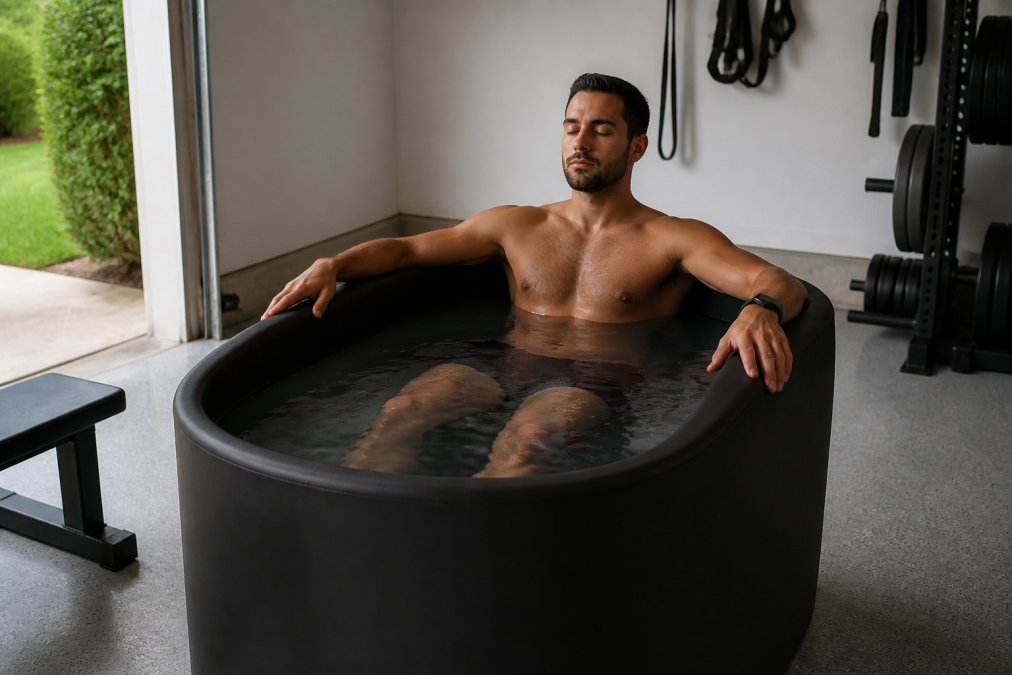
The FCP Premium 2XL 148 Gal Cold Plunge Tub Kit delivers this experience at home for $999.97. The 148-gallon oval design accommodates full-body immersion, while the 7-layer reinforced insulation maintains water temperature between sessions. The included 1/3 HP chiller, filter, and pump handle temperature control and water quality automatically, so you're not hauling ice bags or scrubbing the tub after every use.
Most athletes start with sessions of 5 to 15 minutes at temperatures between 45 and 55 degrees Fahrenheit. The mental benefits deserve equal attention: regular cold exposure activates the parasympathetic nervous system, which helps shift your body out of fight-or-flight mode and into recovery. Many users report improved sleep quality and reduced stress within the first few weeks of consistent plunging.
The Benefits of Compression Boots for Athletes
Compression boots use pneumatic compression, a sequence of air-filled chambers that inflate and deflate in waves, to mimic the body's natural muscle pump. This mechanical action pushes venous blood and lymphatic fluid back toward the heart, reducing swelling and accelerating the clearance of metabolic waste products after hard efforts.
The Echelon Professional-Grade Compression Boots, priced at $599.99, offer zone-controlled compression that lets you target pressure to specific muscle groups. The ultra-quiet motor means you can wear them while reading, meditating, or watching film without cranking up your music to mask the noise. A compact, portable build with long battery life makes them practical for travel, which matters if you compete away from home.
Many athletes report meaningful reductions in perceived soreness and fatigue. The boots excel as a daily recovery habit, particularly for runners, cyclists, and anyone whose sport loads the lower body heavily. They also help on rest days, when gentle circulation work supports recovery without adding training stress.
Best Percussion Massage Guns for Muscle Soreness
Percussive therapy delivers rapid, targeted pulses into muscle tissue, helping to release tension, break up adhesions, and increase blood flow to specific areas. Unlike foam rolling, which applies broad, passive pressure, a massage gun lets you isolate trigger points and control the exact intensity. This makes percussion tools the most versatile piece of recovery equipment for most athletes.
The VBX Mini Massage Gun 4 Piece Series, available for $199.00, packs six speed settings up to 3200 rpm into a compact frame that fits in a gym bag. The four interchangeable massage heads let you switch between broad muscle groups and precise trigger point work, while the brushless motor operates quietly enough for apartment living. A 2000mAh battery delivers 5-6 hours of use per charge, which translates to weeks of typical recovery sessions.

American Council on Exercise guidance on percussive therapy suggests keeping sessions short and focused: 30 to 60 seconds per muscle group before training to activate tissue, and up to 2 minutes per area post-workout to promote relaxation. Avoid bony areas, joints, and the neck. If you feel sharp pain rather than deep pressure, back off the intensity.
The best percussion massage guns balance power with portability. A full-size unit delivers deeper strokes but stays at home, while a mini model travels with you to competitions and away games. Many athletes own both. If you're choosing one, start with the mini version and upgrade only if you find yourself wanting more amplitude.
Infrared Sauna: Heat Therapy for Deep Tissue Repair
Heat therapy works through vasodilation, expanding blood vessels to increase circulation and oxygen delivery to recovering muscles. Unlike cold therapy, which constricts vessels to reduce inflammation, heat promotes tissue repair by accelerating the delivery of nutrients and removing waste products. Infrared saunas deliver this effect more efficiently than traditional steam rooms because infrared heat penetrates deeper into tissue without requiring extremely high ambient temperatures.
The Health Smart 4 Person Full Spectrum Infrared Sauna, priced at $3,599.00, uses full spectrum carbon heaters placed beneath the bench for even warmth distribution. Sessions of 30 to 45 minutes support detoxification through sweat, improve circulation, and relax muscle tension. The four-person capacity makes it practical for couples or families training together, though solo athletes will appreciate the space to stretch during sessions.
National Institutes of Health research on infrared sauna therapy has documented improvements in blood pressure, arterial stiffness, and recovery markers among regular users. The key is consistency: two to three sessions per week delivers more benefit than one long session on Sundays. Hydration matters, so drink water before and after each session to support your body's detoxification pathways.
Infrared saunas pair exceptionally well with cold plunges. Alternating heat and cold, known as contrast therapy, stimulates circulation more aggressively than either modality alone. Athletes who use both report faster recovery between training blocks and improved sleep quality.
How to Build a Home Recovery Room on Any Budget
Building a home recovery room doesn't require a $50,000 renovation. It requires matching equipment to your space, your sport, and your budget. Start with a designated corner or spare room, then add tools in priority order based on your biggest recovery gaps.
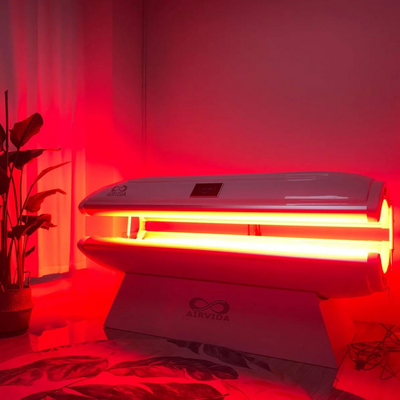
Budget tier (under $500): Begin with a percussion massage gun at $199.00 and a red light therapy device at $249.00. This combination covers muscle tension relief and localized inflammation reduction. A yoga mat and foam roller add another $50 and round out the basics.
Mid-tier (under $1,500): Add the Echelon Compression Boots at $599.99 for lower body recovery and circulation support. If you have outdoor space, the FCP Cold Plunge Tub at $999.97 becomes the centerpiece of your setup. Prioritize based on your training volume: high-mileage runners benefit more from boots, while strength athletes see faster results from cold plunging.
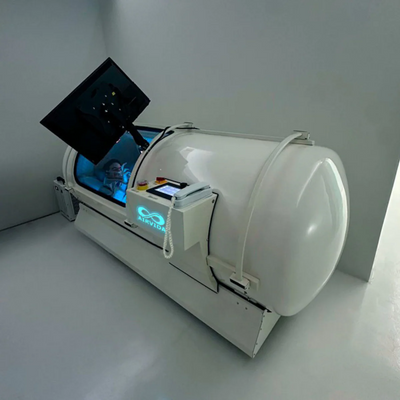
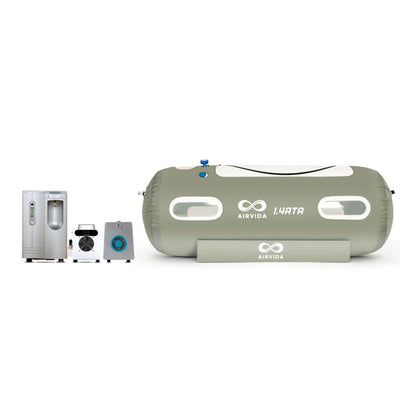
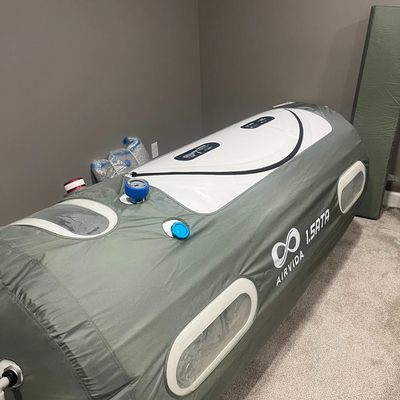
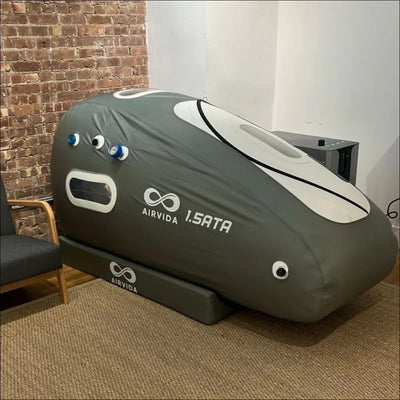
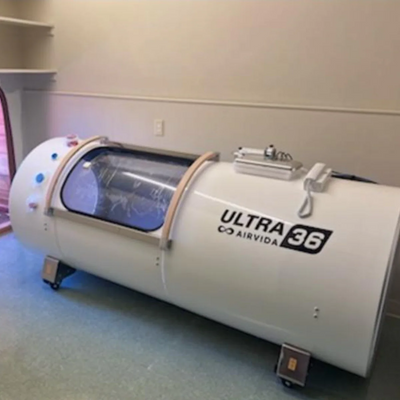
Premium tier ($3,500+): The Health Smart Infrared Sauna at $3,599.00 adds full-body heat therapy. For athletes recovering from significant injuries or competing at a professional level, the Vacuactivus Iceberg Electric CRYO at $12,980.00 delivers localized cryotherapy with temperatures down to -30 degrees Celsius. The Airvida Phoenix 2 Hyperbaric Chamber at $149,699.00 is a professional-grade option.
| Budget Tier | Recommended Equipment | Total Investment | Primary Benefit |
|---|---|---|---|
| Entry (under $500) | VBX Mini Massage Gun + TheraBelt | $448.00 | Muscle relief + localized recovery |
| Mid (under $1,500) | Add Compression Boots or Cold Plunge | $1,599.96 | Circulation or inflammation control |
| Premium ($3,500+) | Add Infrared Sauna | $3,599.00 | Full-body heat therapy |
| Professional ($12,000+) | Electric Cryotherapy or Hyperbaric | $12,980.00+ | Clinical-grade recovery |
Safety First: Contraindications and Smart Usage
Recovery equipment accelerates healing when used correctly, but it can cause harm when misapplied. Every modality has contraindications, and knowing them protects you from turning a recovery session into an injury.
Cold therapy is contraindicated for anyone with Raynaud's syndrome, cold urticaria, uncontrolled hypertension, or significant cardiovascular disease. Pregnant women should avoid whole-body cold immersion. Keep sessions under 15 minutes and never plunge alone if you have any underlying health conditions.
Compression boots should not be used by individuals with deep vein thrombosis, severe peripheral artery disease, or congestive heart failure. The mechanical pressure can dislodge blood clots or strain weakened hearts. If you have diabetes-related neuropathy, consult a physician before using pneumatic compression.
Percussion massage guns require careful placement. Avoid the front and sides of the neck, the spine, and directly over fractures or recent surgical sites. FDA guidance on therapeutic massage devices classifies these tools as general wellness devices, but that doesn't mean they're risk-free. Use the lowest effective intensity and never push through sharp pain.
Infrared saunas raise core body temperature, so they're unsuitable for pregnant women, individuals with multiple sclerosis, or anyone taking medications that impair sweating. Limit sessions to 45 minutes maximum and keep fluids nearby. Red light therapy carries minimal risk, but users taking photosensitizing medications should check with their doctor first.
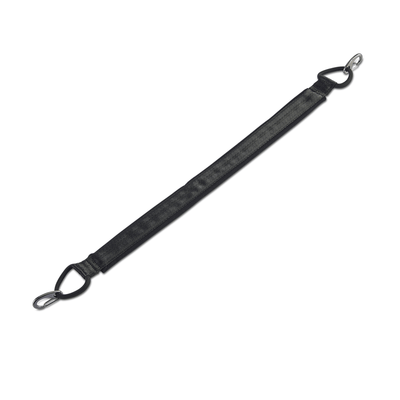
The Therasage TheraBelt and TheraGlove, both priced at $249.00, include clear usage warnings: never use directly on skin, avoid sleeping while wearing them, and discontinue use if you experience burning sensations. These precautions matter because heat and light therapy devices can cause burns when used improperly.
CDC guidance on physical activity and recovery emphasizes that recovery is part of a complete training program, not a replacement for medical care. If you're managing a chronic condition or recovering from an injury, consult a sports medicine physician before investing in new recovery equipment. They can help you identify which modalities will actually help your specific situation rather than guessing based on marketing claims.
Building a home recovery setup is an investment in longevity, not just performance. The best home recovery equipment for athletes combines modalities that address your specific recovery gaps, fits your available space, and respects your budget. Logic Health carries the full range of solutions covered in this guide, from the VBX Mini Massage Gun at $199.00 to the FCP Cold Plunge Tub at $999.97 and the Health Smart Infrared Sauna at $3,599.00, all backed by free shipping on orders over $200 and a 30-day return policy. Shop now and start recovering on your own schedule.
Frequently Asked Questions
What is the best home recovery equipment for athletes?
The best home recovery equipment depends on your training load and budget. A cold plunge tub is the top choice for systemic inflammation reduction, while compression boots excel at boosting circulation and flushing metabolic waste after leg-heavy sessions. For targeted relief, a percussion massage gun is the most versatile. Most athletes start with a massage gun, then add compression boots, and progress to a cold plunge or infrared sauna as their recovery budget grows.
What do pro athletes use for daily muscle recovery?
Pro athletes use a combination of modalities daily. Compression boots like the Echelon Professional-Grade Compression Boots are a staple for enhancing blood flow and reducing muscle fatigue between training sessions. Many also use contrast therapy, alternating between a cold plunge and an infrared sauna, to drive inflammation reduction and promote tissue repair. Percussion massage guns offer on-the-go myofascial release, while red light therapy belts target specific joints and muscles for deeper cellular recovery.
Are home recovery devices worth the investment?
Yes, if you train consistently and want to shorten your downtime. A $199 percussion massage gun can be a valuable tool for muscle recovery. Compression boots at $599.99 pay for themselves within months if you train legs heavily. The real ROI is injury prevention and consistent training output. Cold plunges and saunas are larger investments but serve as daily rituals that improve recovery time, sleep quality, and mental resilience. Start with one device, measure your recovery over 8 weeks, then expand.
What is the best recovery device for muscle soreness after a marathon?
For systemic soreness after a marathon, the best first step is the Echelon Professional-Grade Compression Boots. They mimic the body's natural muscle pump to enhance circulation and help flush metabolic waste, which directly addresses muscle fatigue and swelling. Follow the session with a cold plunge to reduce inflammation. Use a percussion massage gun on specific trigger points 24 to 48 hours post-race when the acute soreness subsides.