






 (307) 441-5030
Table of Contents
- Why Recovery Determines Your Fitness Results
- Step 1: Refuel Within the Recovery Window
- Step 2: How to Reduce Delayed Onset Muscle Soreness (DOMS)
- Step 3: Use Active Recovery to Boost Blood Flow
- Step 4: Prioritize Sleep for Tissue Repair
- Step 5: Apply Heat and Cold Therapy Strategically
- The Best Recovery Tools for Athletes at Home
- Common Recovery Mistakes to Avoid
- Frequently Asked Questions
Last Updated: September 6, 2026
Most athletes treat recovery as an afterthought, yet it is the single biggest factor separating progress from plateaus. If you want to know how to recover faster after workouts, the answer is not a single magic tool but a layered system addressing fuel, sleep, movement, and stress. The evidence is clear: recovery is an active process you can train and optimize.
Recovery is the physiological process where the body repairs micro-tears in muscle fiber, replenishes glycogen, and clears metabolic waste. The common mistake is training harder while neglecting this repair phase, leading to diminishing returns and eventually overtraining syndrome. Below are seven proven steps to compress your recovery window, reduce soreness, and return to training at full capacity.
Why Recovery Determines Your Fitness Results
Your fitness gains do not happen during the workout itself but during the hours and days afterward, when the body adapts to the training stimulus. Muscle protein synthesis peaks in the recovery phase, and tissue repair occurs primarily at rest. Skip this phase, and you break down muscle fiber without giving the body the materials or time to rebuild it stronger.
The relationship between training load and recovery is a balancing act. Push too little and you stall; push too much without adequate recovery and you slide into central nervous system fatigue and declining performance. Heart rate variability reflects how well your nervous system has bounced back from training stress, helping you schedule hard sessions when your body is genuinely ready.
Step 1: Refuel Within the Recovery Window
The first 30 to 60 minutes after training is your refueling window, when muscles are most receptive to nutrients and glycogen replenishment and muscle protein synthesis proceed at their fastest rate. Consuming protein and carbohydrates within this window accelerates tissue repair and restores energy stores for your next session.
A practical target is roughly 20 to 40 grams of protein alongside carbohydrates, though exact needs vary by body weight and training volume. Amino acids repair damaged muscle fiber, while carbohydrates restore glycogen. Whole-food options like chicken with rice or Greek yogurt with fruit work well, as do shakes. Nutrient timing matters less for casual exercisers but becomes critical for athletes training twice daily or following high-volume programs.
Step 2: How to Reduce Delayed Onset Muscle Soreness (DOMS)
Delayed onset muscle soreness, or DOMS, typically peaks 24 to 72 hours after a hard session and results from microscopic damage to muscle fiber (acs.org). While some soreness is normal, severe stiffness that limits movement signals you pushed past your current capacity. The goal is not to eliminate DOMS entirely but to manage it so it does not derail your training week.
Gentle movement is the most effective first response. Light cycling, walking, or swimming increases blood flow to sore muscles, delivering oxygen and nutrients while flushing metabolic waste. This is where active recovery shines over complete rest. Many athletes also find that massage, whether professional or via a percussion device, provides meaningful relief. Compression garments worn in the hours after training may reduce swelling and support circulation, though individual responses vary.
Step 3: Use Active Recovery to Boost Blood Flow
Active recovery is low-intensity movement performed on rest days or immediately after training, designed to boost blood flow without adding meaningful training load. Unlike complete rest, it accelerates the removal of metabolic waste and delivers nutrients to recovering tissues. A 20 to 30 minute walk, easy swim, or mobility session keeps the system flushed without taxing muscle fiber.
The distinction between active recovery and a light workout matters. Active recovery should keep your heart rate well below your anaerobic threshold, roughly at a conversational pace. If you are breathing hard, you have crossed into training territory and are adding fatigue rather than reducing it.
The Unique Angle: Using HRV to Prescribe Your Active Recovery
Generic advice to "go for a walk" ignores the most valuable tool you already own: your heart rate variability (HRV) score from a fitness tracker. HRV reflects your autonomic nervous system's balance between the sympathetic (fight-or-flight) and parasympathetic (rest-and-digest) branches. A low HRV reading upon waking indicates your nervous system is still stressed from the previous session, making it a poor day for high-intensity work but an ideal day for active recovery.
Here is a practical protocol used by many sports physiologists to integrate HRV data into your recovery decisions:
- Measure daily: Take your HRV reading every morning, ideally at the same time and under the same conditions (e.g., immediately after waking, before getting out of bed).
- Establish a baseline: After two weeks of consistent tracking, calculate your 30-day rolling average. This is your personal baseline, not a universal number.
- Apply the rule: If your morning HRV is within 10% of your baseline, your nervous system has recovered, and you can proceed with your scheduled training intensity. If your HRV is more than 10% below your baseline, your system is still under stress. On these days, replace your planned high-intensity session with a 30-minute active recovery session.
- Choose the right modality: For active recovery, the goal is to promote blood flow without spiking cortisol. Zone 1 or low Zone 2 heart rate (roughly 50-60% of your maximum heart rate) is the target. A brisk walk, a light cycle, or a swim at a pace where you can easily hold a conversation are all effective. Avoid any movement that causes your breathing to become labored.
This approach transforms active recovery from a passive "rest day" activity into a data-informed training decision. It prevents the common mistake of doing too much on a recovery day (which adds fatigue) or doing too little (which misses the benefit of blood flow). By using HRV, you are not guessing when your body needs a lighter day; you are measuring it.
Step 4: Prioritize Sleep for Tissue Repair
Sleep is the most powerful recovery tool available, yet it is the first thing athletes sacrifice. During deep sleep, the body releases growth hormone, which drives tissue repair and muscle protein synthesis (sleepfoundation.org). Sleep also regulates cortisol levels, the stress hormone that, when chronically elevated, breaks down muscle and impairs recovery.
Most adults need seven to nine hours, but athletes engaged in heavy training often require the upper end of that range. Sleep hygiene matters as much as duration: keep the bedroom cool and dark, avoid screens an hour before bed, and maintain a consistent schedule, even on weekends. Your circadian rhythm governs the release of recovery hormones, and disrupting it with irregular sleep patterns undermines everything else you do for recovery.
Step 5: Apply Heat and Cold Therapy Strategically
Heat and cold therapy are not interchangeable; each serves a distinct purpose in the recovery process. Cold therapy, including ice baths and localized cryotherapy, is most effective in the hours immediately after intense training to reduce inflammation and blunt delayed onset muscle soreness. Heat therapy, such as saunas or warm baths, is better suited to promoting relaxation, improving blood flow, and easing muscle stiffness in the days following a hard session.
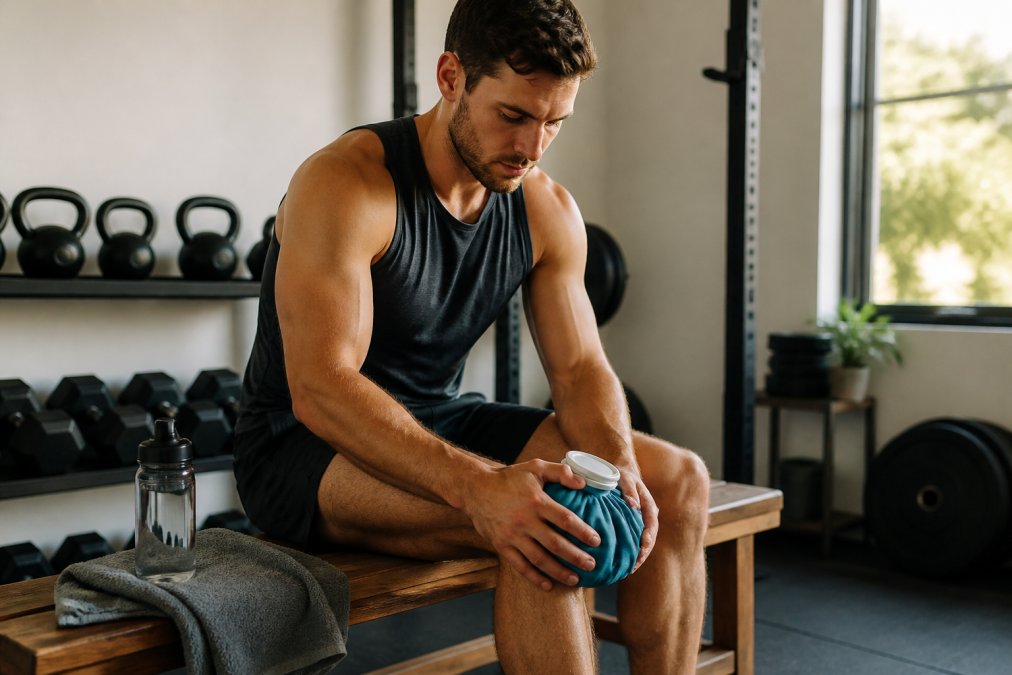
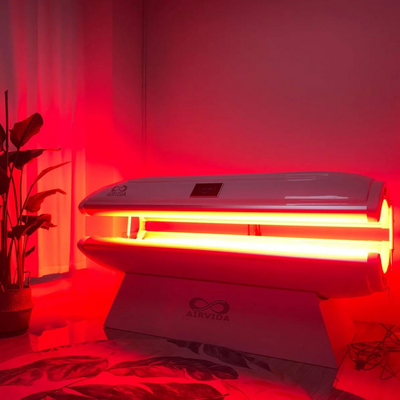
Hydrotherapy in both forms has a long history in athletic recovery. Cold water immersion constricts blood vessels and reduces swelling, while heat promotes vasodilation and delivers oxygen-rich blood to recovering tissues. Many athletes alternate between the two, though research on contrast therapy remains mixed. The practical approach is to use cold acutely after training and heat for relaxation and stiffness on rest days. For those investing in home recovery, saunas and steam options provide consistent access to heat therapy without scheduling visits to a facility.
The Unique Angle: Matching Therapy to Your Training Modality
The blanket advice to "use ice baths for recovery" fails to account for the type of training you performed. The physiological stress of a marathon is fundamentally different from a heavy back-squat session, and your recovery strategy should reflect that difference.
For Endurance Athletes (Runners, Cyclists, Swimmers): Your primary recovery goal is to reduce systemic inflammation and restore glycogen. Cold water immersion (10-15 minutes at 50-59°F) within 30 minutes of finishing a long or high-intensity session is a well-established practice (PubMed). It helps blunt the inflammatory response that contributes to muscle soreness and allows you to return to your training schedule sooner. However, be cautious about using cold therapy immediately after every single workout. Some research suggests that chronically blunting the inflammatory response may interfere with the long-term training adaptations that make you fitter. Reserve ice baths for your hardest sessions of the week, the ones that leave you feeling systemically fatigued, not just locally sore.
For Strength and Power Athletes (Powerlifters, Bodybuilders, Sprinters): Your recovery priority is muscle protein synthesis and joint health. For this group, heat therapy often provides more benefit than cold. A 15-20 minute sauna session at 150-175°F on rest days or in the evening after training promotes vasodilation, which increases blood flow to muscles and joints, delivering the amino acids and oxygen needed for repair. Heat also stimulates the release of heat shock proteins, which play a role in cellular repair and muscle growth. For strength athletes, cold therapy is best used acutely (within 2 hours) after a session that caused significant muscle trauma to manage excessive soreness, but it should not be a daily habit if your goal is hypertrophy.
The Practical Protocol:
| Training Type | Primary Goal | Best Therapy | Timing | Frequency |
|---|---|---|---|---|
| Endurance (Long Run) | Reduce inflammation | Cold Water Immersion | Within 30 min post-workout | 2-3x per week after hardest sessions |
| Strength (Heavy Lifting) | Promote muscle repair | Sauna / Heat | Evening of workout or rest day | 3-4x per week |
| Mixed / General Fitness | Balance recovery | Contrast (Alternating) | Post-workout | 1-2x per week |
This modality-specific approach moves you beyond the generic "ice bath vs. sauna" debate and gives you a clear framework for why you are choosing one over the other. It acknowledges that recovery is not a one-size-fits-all protocol but a targeted response to the specific stress you imposed on your body.
The Best Recovery Tools for Athletes at Home
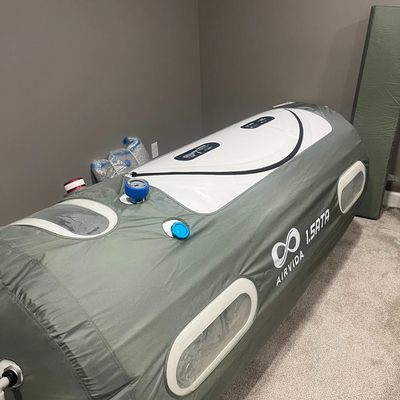
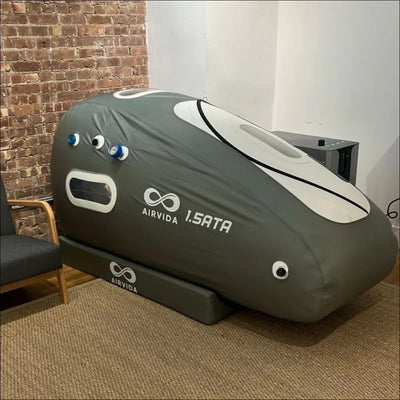
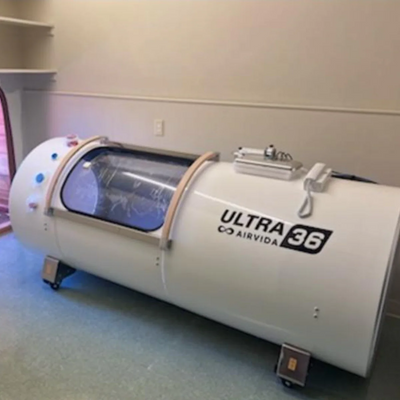
The market for home recovery equipment has expanded well beyond foam rollers and massage sticks. For athletes serious about compressing their recovery window, the investment tier includes massage chairs, percussion devices, compression systems, and even hyperbaric chambers. The right choice depends on your training volume, budget, and available space.
| Tool | Primary Benefit | Best For | Investment Level |
|---|---|---|---|
| Foam roller | Myofascial release, mobility | Daily self-massage | Low |
| Percussion massager | Deep tissue relief | Post-workout soreness | Low to mid |
| Massage chair | Full-body relaxation, circulation | Stress reduction, chronic tightness | High |
| Sauna | Heat therapy, detoxification | Relaxation, blood flow | High |
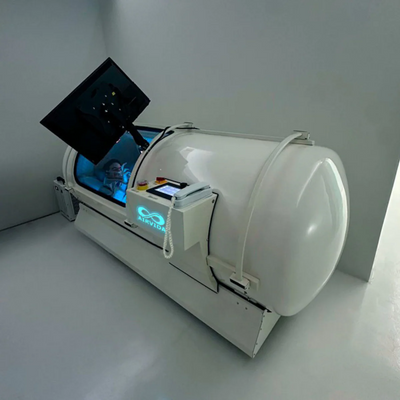
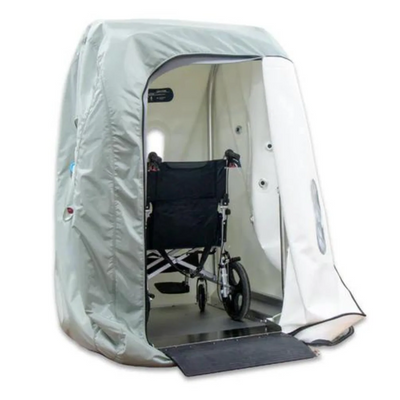
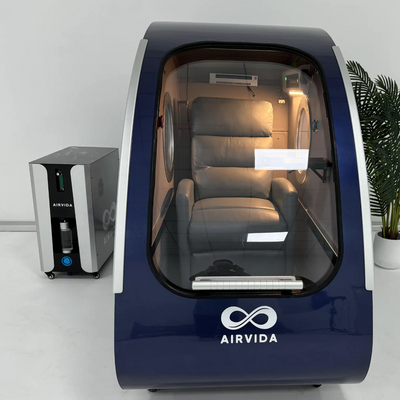
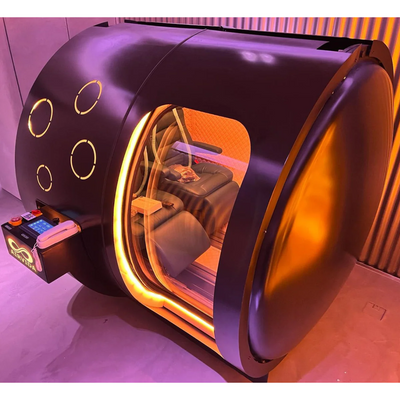
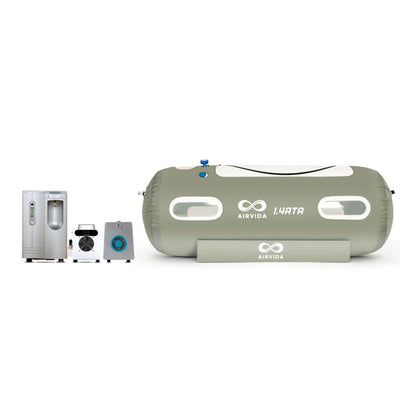
| Hyperbaric chamber | Oxygen delivery, tissue repair | Serious athletes, injury recovery | Premium |
Foam rollers and percussion devices are the entry point, offering myofascial release and targeted relief for a modest cost. Massage chairs step up the game by providing consistent, full-body compression and heat without requiring you to maneuver a device over your own back. At the premium end, saunas and hyperbaric chambers represent a significant commitment but offer daily, on-demand access to therapies that would otherwise require repeated clinic visits. Logic Health offers a curated range of these tools, from massage chairs to saunas, all designed for home installation. We also offer a 30-day return policy.
Common Recovery Mistakes to Avoid
The most common recovery mistake is treating all recovery methods as interchangeable. Stretching, foam rolling, sleep, and nutrition each address different aspects of the recovery process, and skipping one cannot be compensated by doubling another. A comprehensive approach covers all bases: refueling, sleep, active movement, and targeted therapies.
Another frequent error is ignoring psychological recovery. Central nervous system fatigue is real, and mental stress compounds physical training stress. Cortisol levels rise with both, and chronic elevation impairs recovery regardless of how well you manage your physical protocols. Building genuine rest days, practicing relaxation techniques, and recognizing when motivation drops as a signal of accumulated fatigue are all part of a complete recovery strategy.
Finally, many athletes expect immediate results and abandon protocols too soon. Recovery adaptations accumulate over weeks and months, not days. Consistency with sleep, nutrition, and active recovery matters more than any single intervention.
Recovery is the hidden half of training, and mastering it is what separates athletes who progress steadily from those who plateau or burn out. Start with the fundamentals: refuel within the recovery window, protect your sleep, and build active recovery into your week. Then layer in the tools that address your specific gaps, whether that is a massage chair for chronic tightness or a sauna for relaxation and circulation. Logic Health offers science-backed equipment designed to support peak wellness at home, with free shipping on orders over $200 and 24/7 customer support. Shop Now and build a recovery protocol that keeps you training at your best.
Frequently Asked Questions
How much protein do I need for optimal muscle repair?
For post-workout nutrition for muscle growth, aim for 20 to 40 grams of protein within two hours after training. This amount stimulates muscle protein synthesis, the process that rebuilds damaged muscle fibers. A practical guideline is roughly 0.4 grams per kilogram of body weight per meal. If you weigh 80 kg (about 176 lbs), that translates to about 32 grams of protein. Good sources include whey protein shakes, chicken breast, Greek yogurt, or a tofu-based meal.
Does active recovery actually help muscle soreness?
Yes. Active recovery, such as light cycling, walking, or swimming at 30-50% of your normal effort, increases blood flow to sore muscles. This improved circulation helps clear metabolic waste and delivers oxygen and nutrients needed for tissue repair. Studies show that low-intensity movement on rest days can reduce perceived soreness more effectively than complete rest. Keep the session to 20-30 minutes to gain the benefits of active recovery without adding to your training load.
Is it normal to be sore 4 days after a workout?
Soreness peaking at 24 to 72 hours post-exercise is called delayed onset muscle soreness, or DOMS. Feeling sore four days later can happen after intense sessions, especially if you tried new exercises or increased your training load significantly. While uncomfortable, it is a normal part of the muscle adaptation process. If soreness persists beyond a week or is accompanied by severe swelling or dark urine, consult a physician, as these could signal rhabdomyolysis or another injury.
What is the 3-3-3 rule for gym recovery?
The 3-3-3 rule is a simple framework to structure your post-workout recovery. It involves eating a meal with protein and carbohydrates within 30 minutes, drinking at least 3 cups of water over the next 3 hours, and getting at least 3 hours of quality sleep that night. This method ensures you address the three pillars of recovery: nutrient timing, rehydration, and sleep for tissue repair. It is an easy habit to remember after any training session.