






 (307) 441-5030
Table of Contents
- Why Home Solutions for Chronic Fatigue Require a Different Approach
- Pacing Techniques for Chronic Fatigue: The Energy Envelope Method
- Sleep Hygiene for Chronic Fatigue Syndrome: Building Restorative Sleep
- Home Wellness Tools for Recovery: What the Evidence Supports
- Diet, Hydration, and Blood Sugar Stabilization at Home
- Stress Management and Psychological Support for Chronic Fatigue
- Workplace Accommodations and Daily Energy Management
- Frequently Asked Questions
Last Updated: October 1, 2026
Why Home Solutions for Chronic Fatigue Require a Different Approach
Chronic fatigue is a medical condition defined by persistent, overwhelming tiredness that does not improve with rest and cannot be explained by an underlying condition alone. It is not the same as feeling sleepy after a bad night. This guide from Logic Health looks at what actually helps at home.
Pacing Techniques for Chronic Fatigue: The Energy Envelope Method
Pacing techniques for chronic fatigue work by keeping activity inside a fixed daily limit, called your energy envelope. You decide in advance how much you can do, then stop before you hit the wall. This is the single most useful skill in managing the condition.
- Track your energy for two weeks before setting limits
- Plan rest breaks before you feel tired, not after
- Split big tasks into smaller chunks across several days
- Keep a steady baseline instead of pushing on good days
Sleep Hygiene for Chronic Fatigue Syndrome: Building Restorative Sleep
Sleep hygiene for chronic fatigue syndrome focuses on timing, light, and routine, but the reason it matters is different than it is for ordinary tiredness. In chronic fatigue, the problem is often not how many hours you sleep but how much of that sleep is restorative. Poor sleep amplifies pain sensitivity, brain fog, and next-day fatigue, which is why most practitioners treat sleep as the foundation layer that everything else sits on.
- Go to bed and wake at the same time daily, including weekends
- Get bright light within 30 to 60 minutes of waking, ideally outdoors or from a 10,000-lux light box
- Dim lights and reduce screens for the last 1 to 2 hours before bed
- Avoid caffeine after early afternoon; its half-life is roughly 5 to 6 hours, so a 3 p.m. coffee is still active at bedtime
- Keep the bedroom cool (around 65°F to 68°F), dark, and quiet
Why You Wake Unrefreshed
Restorative sleep is about quality, not just hours. Sleep moves in cycles of roughly 90 minutes, alternating between lighter stages and deep slow-wave sleep, with REM periods that lengthen toward morning. Deep sleep is when the body repairs tissue and consolidates memory; REM is when emotional processing happens. If you wake frequently, even briefly, you can spend eight hours in bed and still surface unrefreshed.
- Sleep apnea, repeated pauses in breathing that fragment deep sleep. Loud snoring, gasping, or morning headaches are red flags.
- Restless legs syndrome, an urge to move the legs at night, often linked to low iron stores (ferritin). A simple blood test can check.
Building a Wind-Down That Actually Works
A 30-minute wind-down routine helps your nervous system shift out of alert mode. The goal is to lower arousal, not to force sleep.
- Dim the room and stop problem-solving for the day
- Try 4-7-8 breathing: inhale for 4 counts, hold for 7, exhale for 8, repeated for 4 cycles
- Keep the bed for sleep only, so your brain associates it with rest
- If you are awake more than 20 minutes, get up and do something quiet in low light, then return when sleepy
Naps Without the Crash
Naps are a tool, not a failure. The trick is timing and length. A 20-minute nap in the early afternoon can restore alertness without leaving you groggy. Longer naps, or naps after 3 p.m., tend to push your sleep drive later and make nighttime sleep worse. If you need a nap daily, schedule it rather than waiting until you collapse, planned rest is part of pacing, not a sign that pacing is failing.
Home Wellness Tools for Recovery: What the Evidence Supports
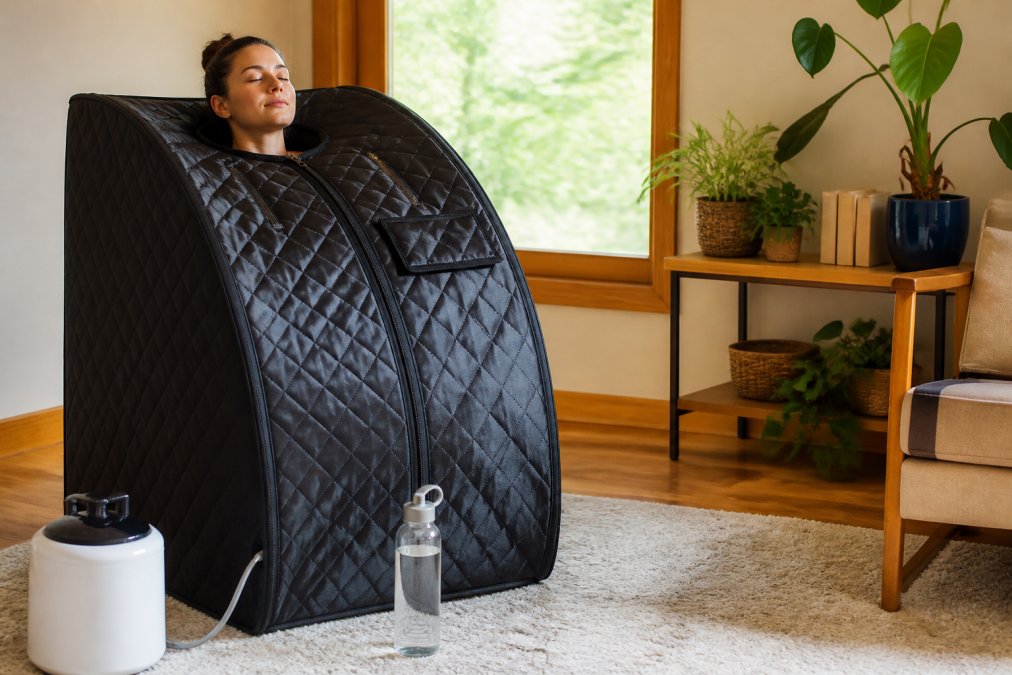
Home wellness tools for recovery can support circulation, relaxation, and pain relief, but they work best alongside pacing and sleep habits, not instead of them. The question is which tools have real backing.
| Tool | What It Supports | Best For |
|---|---|---|
| Thera360 Plus Sauna | Circulation, relaxation, sleep | Daily wind-down |
| Prism Light Pad | Relaxation, recovery | Full-body sessions |
| TheraPro Pad | Pain, tension, circulation | Targeted relief |
| Airvida Leg Compressions | Circulation, swelling | Leg heaviness |
| VBX Mini Massage Gun | Muscle tightness | Spot relief |
Diet, Hydration, and Blood Sugar Stabilization at Home
Blood sugar stabilization is one of the most overlooked levers in managing chronic fatigue. Big spikes and crashes drain energy fast. Eating steady, balanced meals keeps the curve flatter.
Focus on nutrient density and steady fuel:
- Pair protein with fiber at every meal
- Eat smaller meals more often instead of two large ones
- Drink water throughout the day, not just when thirsty
- Limit refined sugar and heavy caffeine
Stress Management and Psychological Support for Chronic Fatigue
Stress management is not optional with chronic fatigue, but the reason is more specific than "stress is bad." Long-term stress keeps the nervous system in a sympathetic, alert state, which drains energy, fragments sleep, and lowers the threshold at which activity triggers a crash. For many people, the psychological load of the condition itself, not just outside stress, is the heaviest part.
The Mental Health Toll Nobody Warns You About
Living with a long-term condition that others cannot see carries a specific kind of strain. Common experiences include:
Thera360 Plus Portable Infrared Sauna →
- Grief, mourning the life, career, or activities you had before symptoms
- Isolation, withdrawing because social plans are unpredictable and explaining feels exhausting
- Self-blame, the nagging belief that you are not trying hard enough, especially when tests come back normal
- Anxiety about symptoms, worrying that any good day will be followed by a crash
- Depression, which overlaps with fatigue, low motivation, and disrupted sleep, making the two hard to untangle
What Actually Helps
Mindfulness-based stress reduction has the strongest general evidence for reducing the distress that comes with chronic illness. It teaches you to observe stress and symptoms without reacting to them, which lowers the alarm response over time.
- Try 10 minutes of guided breathing daily, ideally at the same time
- Use therapeutic massage to release the physical tension that stress deposits in the neck, shoulders, and jaw
- Consider acupuncture as a complementary option for pain and relaxation
- Keep a journal to spot stress patterns and separate real stressors from symptom-driven worry
Support Systems and Professional Help
Isolation makes symptoms feel heavier, and the reverse is also true: connection is a genuine intervention. A therapist who understands chronic illness, a support group (in person or online), or one trusted friend who believes you without needing proof can change how manageable the condition feels.
When to seek professional support rather than self-managing:
- Persistent low mood, hopelessness, or loss of interest in things you used to enjoy
- Anxiety that interferes with sleep or daily function
- Thoughts of self-harm, seek help immediately
Workplace Accommodations and Daily Energy Management
Workplace accommodations can make the difference between staying employed and burning out. Under the Americans with Disabilities Act, many people with chronic fatigue qualify for reasonable adjustments. Ask for what you need.
Practical options include:
- Flexible start times or remote work days
- Shorter meetings with breaks built in
- A quieter workspace to reduce sensory load
- Written instructions instead of verbal handoffs
Frequently Asked Questions
What are some self-help strategies for chronic fatigue syndrome?
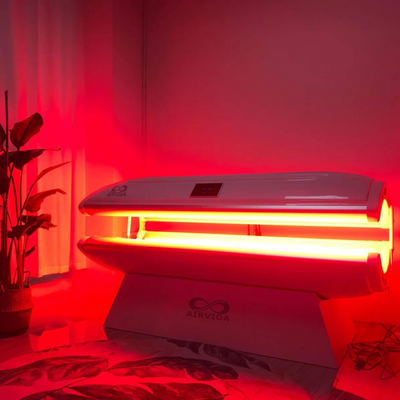
Self-help strategies center on pacing techniques like the energy envelope method, where you track daily energy and stay within your limits to avoid post-exertional malaise. Sleep hygiene for chronic fatigue syndrome matters too: consistent bedtimes, a dark cool room, and limiting screens before bed. Dietary adjustments such as blood sugar stabilization through regular protein-rich meals, hydration, and light movement like stretching or short walks also help. Stress management through deep breathing exercises or mindfulness-based stress reduction supports the nervous system. Home wellness tools for recovery, including infrared sauna therapy and compression boots, can complement these habits.
How do people live with chronic fatigue syndrome day to day?
Daily life with chronic fatigue syndrome involves careful planning around an energy envelope. People often break tasks into smaller chunks, schedule rest periods between activities, and prioritize what matters most. Workplace accommodations such as flexible hours, remote work options, or reduced physical demands can make employment sustainable. Many use home wellness tools for recovery, like red light therapy pads or massage chairs, to support circulation and relaxation without leaving home. Psychological support through therapy or support groups also helps manage the frustration and isolation that can accompany the condition.
How to beat chronic fatigue naturally?
There is no single cure, but natural approaches can reduce symptom burden. Start with sleep hygiene: fixed wake times, a cool dark bedroom, and no caffeine after noon. Stabilize blood sugar with regular meals containing protein, fiber, and healthy fats. Try pacing techniques for chronic fatigue, such as the Spoon Theory, to avoid pushing past your limits. Light physical activity like walking or vibration plate sessions can improve circulation without triggering post-exertional malaise. Stress management through mindfulness-based stress reduction, acupuncture, or therapeutic massage supports the nervous system. Always consult a healthcare provider before making significant changes.
When should you see a doctor for persistent fatigue?
See a doctor if fatigue lasts more than six months, worsens with activity, or does not improve with rest. Seek immediate care if you experience unexplained weight loss, severe headaches, chest pain, shortness of breath, or fainting. A healthcare provider can rule out conditions like anemia, thyroid disorders, sleep apnea, or depression that mimic chronic fatigue. If you meet criteria for myalgic encephalomyelitis, ask about a referral to a specialist familiar with post-exertional malaise and cognitive behavioral pacing. Early diagnosis helps you build an effective management plan.
Managing chronic fatigue at home takes patience and the right support. Logic Health offers science-backed tools that fit into a real pacing routine, from the Thera360 Plus Portable Infrared Sauna to the Airvida Cordless Leg Compressions. Every order ships free over $200, with a 30-day return policy and 24/7 support. Shop now and build a home setup that works with your energy, not against it.